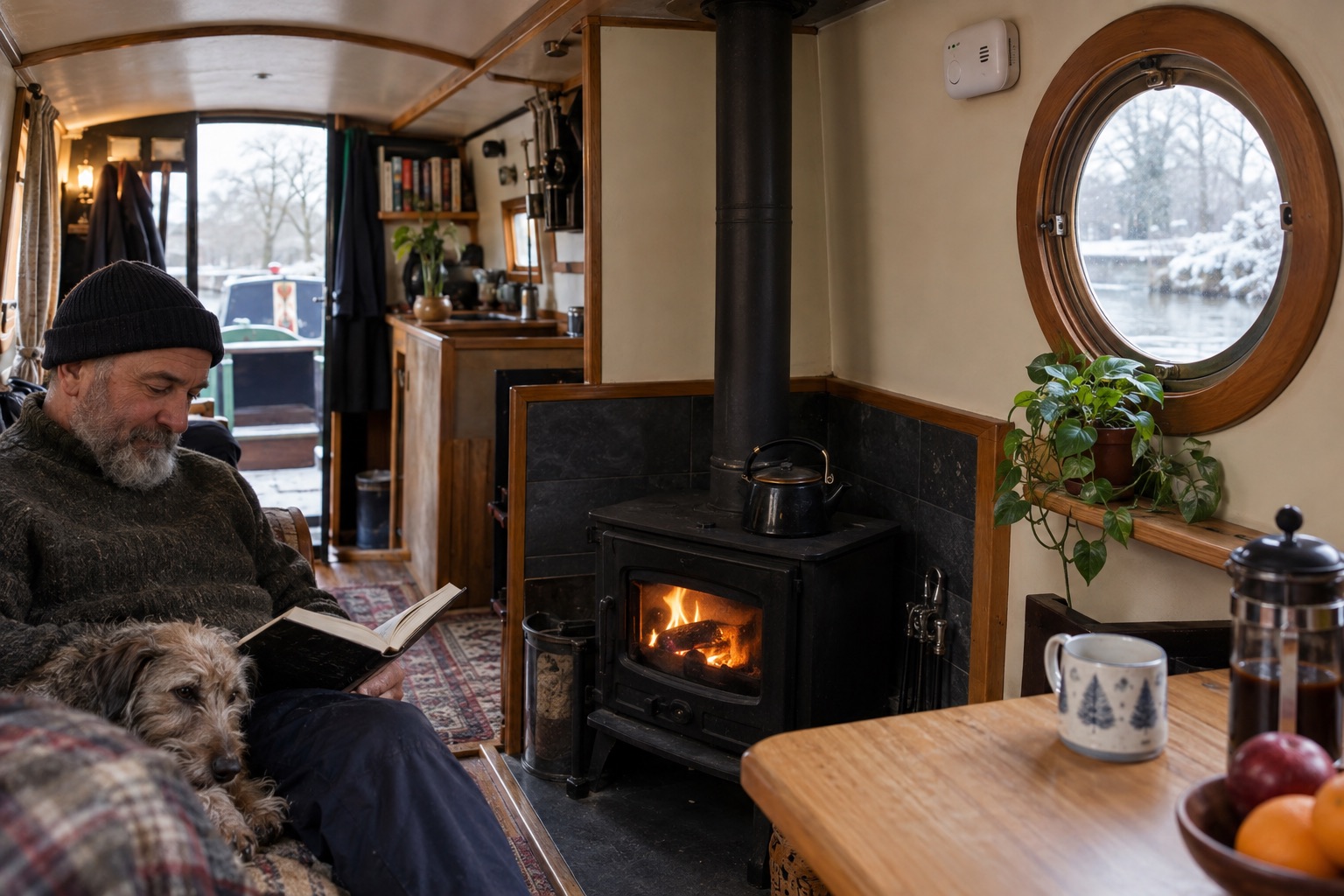
Leave first and get help
Do not stay aboard to investigate an alarm. If you can switch off appliances or engines safely on your way out, do so without delaying escape. The NHS advises calling 999 if suspected exposure is accompanied by difficulty breathing, sudden confusion, loss of consciousness, weakness, or chest or muscle pain. Do not drive yourself to hospital. Call NHS 111 if you think you have symptoms but do not need emergency help. Tell the clinician that carbon monoxide may be involved, even if you feel better ashore.
Know what can produce carbon monoxide
Carbon monoxide has no colour or smell. Stoves, heaters, cookers, generators and engine exhaust can produce it. Never use a cooker to heat the cabin or run a portable generator in or near it. Keep ventilation clear and have appliances, flues and exhaust systems maintained by a competent marine professional.
Make the boat safe before returning
Stay in fresh air and get advice before going back aboard. Do not use suspected equipment again until a properly qualified person has found and fixed the problem. Keep a suitable working carbon monoxide alarm aboard and follow its testing and replacement instructions. An alarm does not replace ventilation or appliance maintenance.
Before you go
- Test a suitable alarm
- Keep ventilation unobstructed
- Leave immediately if an alarm sounds