Good advice for life on the water.
From your first lock to a winter aboard, find clear, practical help for UK canals and rivers. Start with the question in front of you.
Find your subject
Getting started
 Getting started
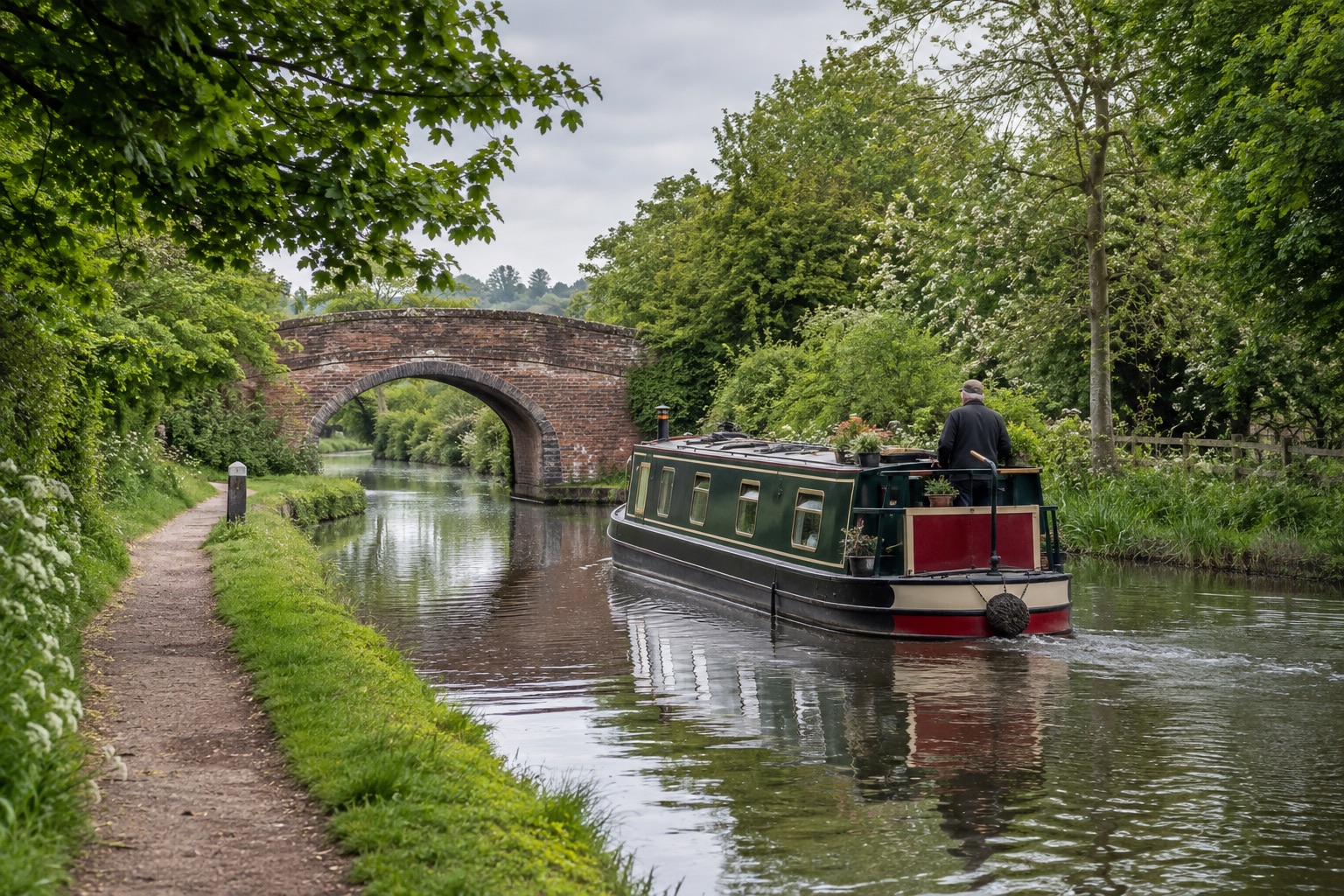
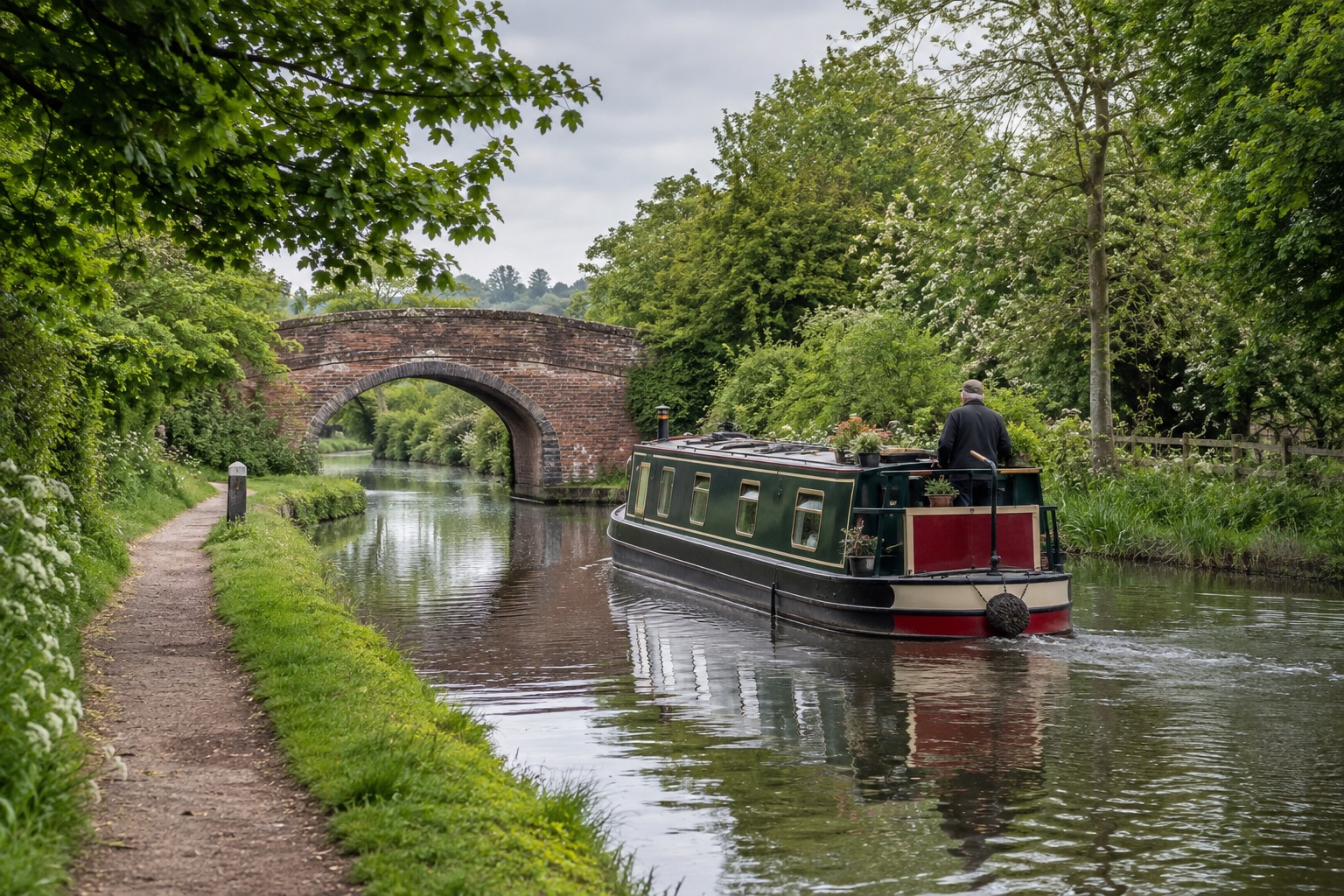
Your first canal boat trip
A calm first day starts before you cast off.
Read guide ↗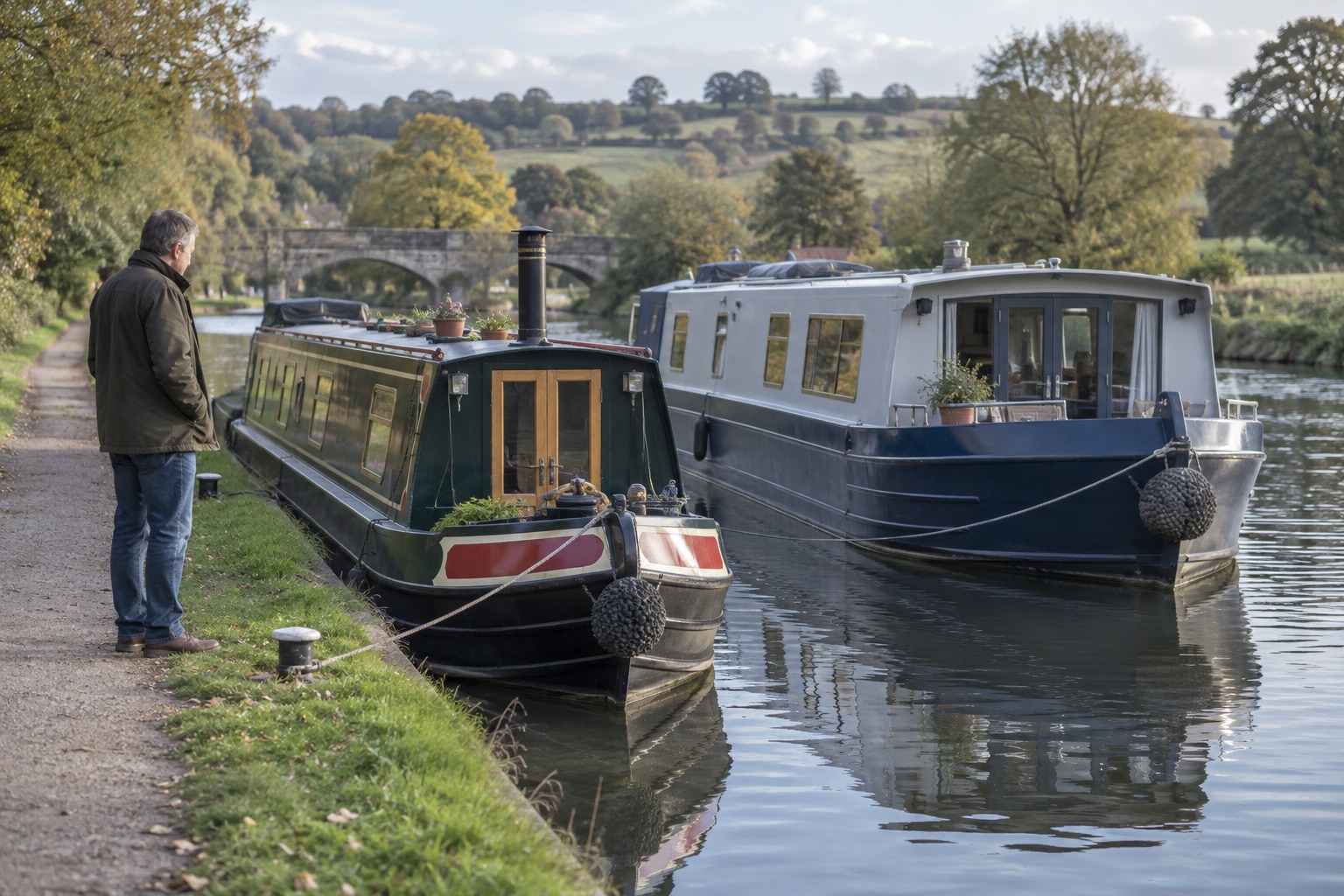 Getting started
Choosing a narrowboat for your plans
The right boat is the one that fits the waterways you will actually use.
Read guide ↗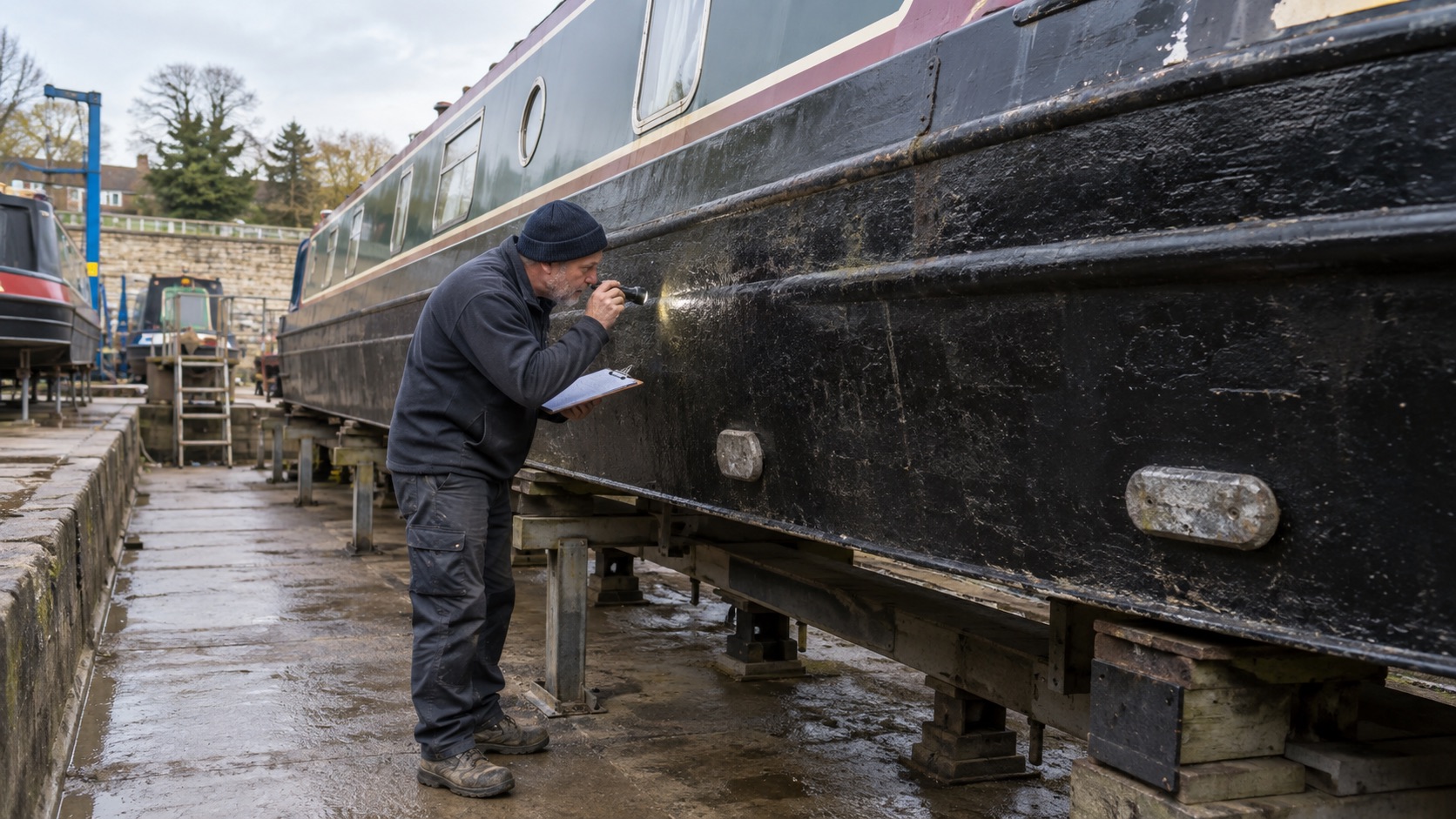 Getting started
Buying a used canal boat: what to check
Take your time with the paperwork and the parts you cannot see from the towpath.
Read guide ↗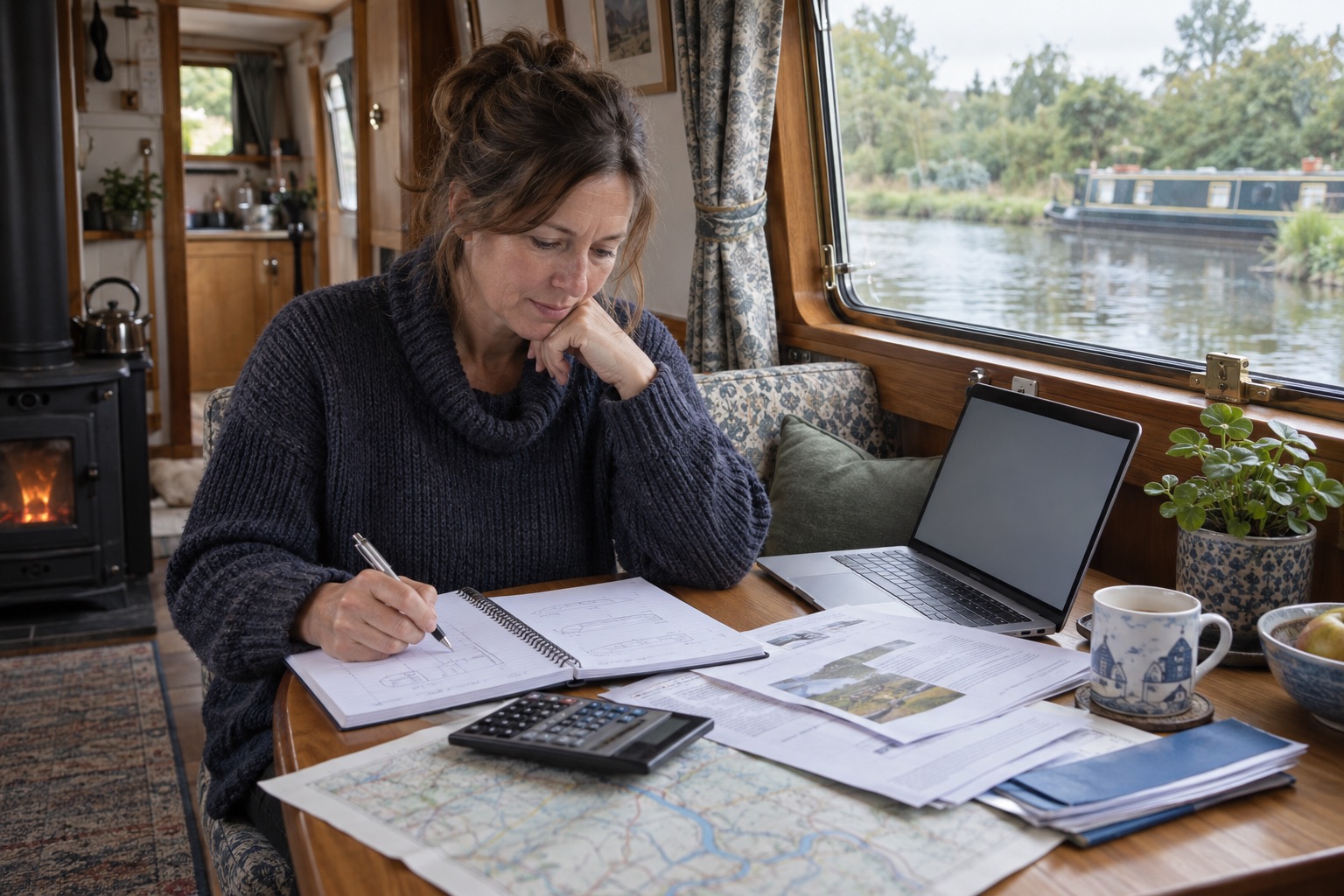 Getting started
Boat licences on UK inland waterways
A licence is tied to the authority and waterway, so check the whole journey.
Read guide ↗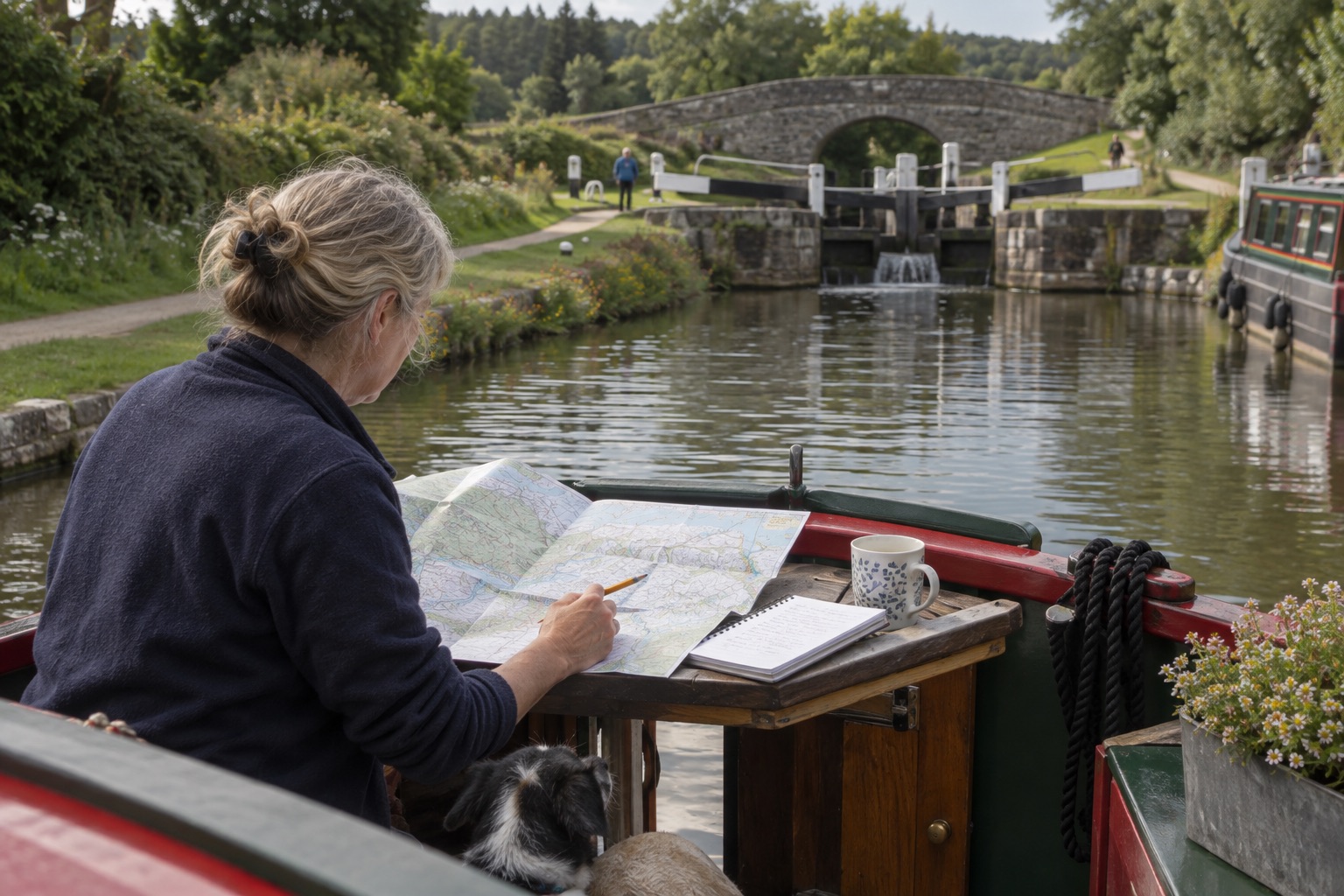 Getting started
How to plan a realistic canal cruising day
Miles alone tell you very little about how long a canal day will take.
Read guide ↗Boat handling
 Boat handling
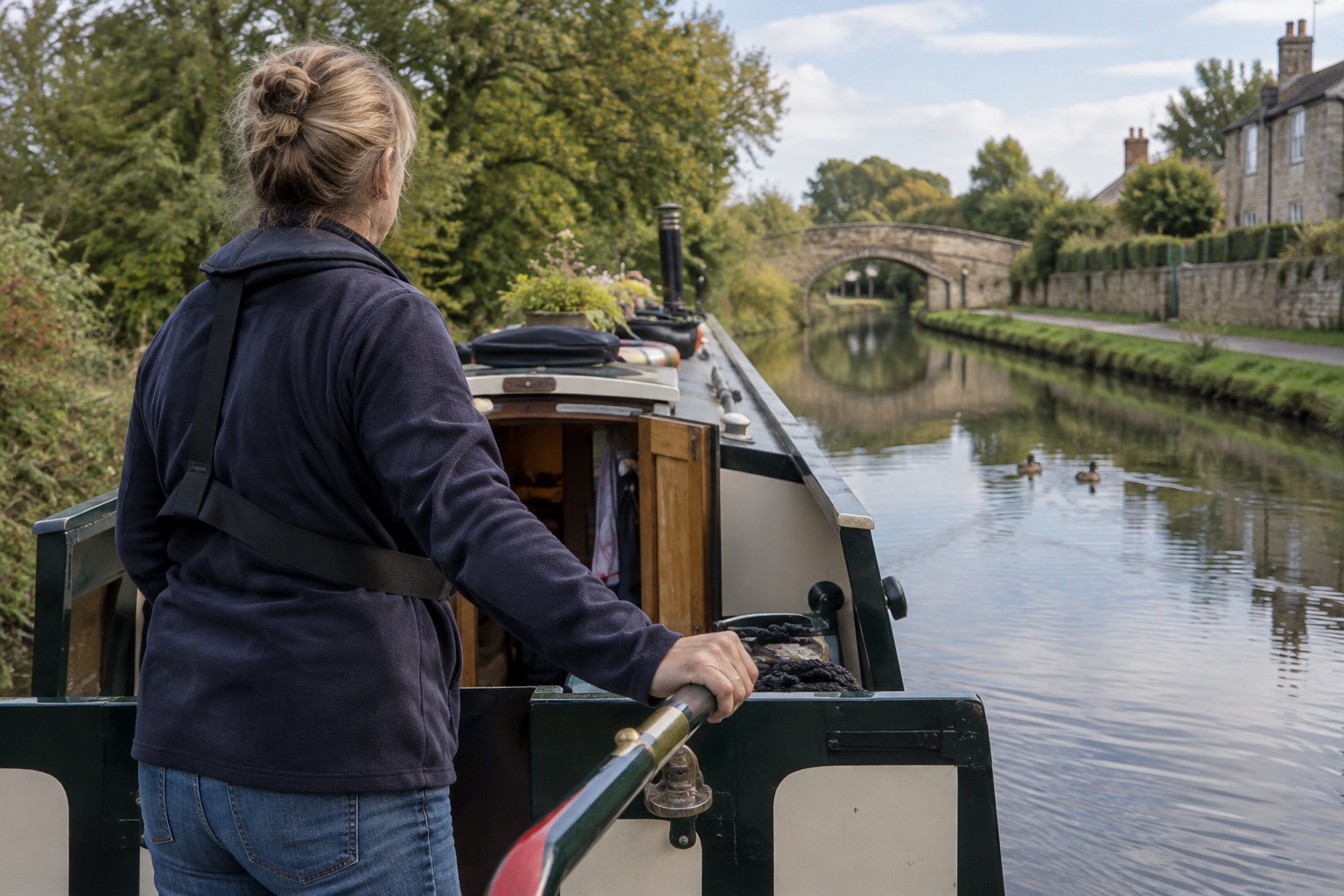
Steering a narrowboat for the first time
A narrowboat responds slowly, so small early corrections beat a last-second turn.
Read guide ↗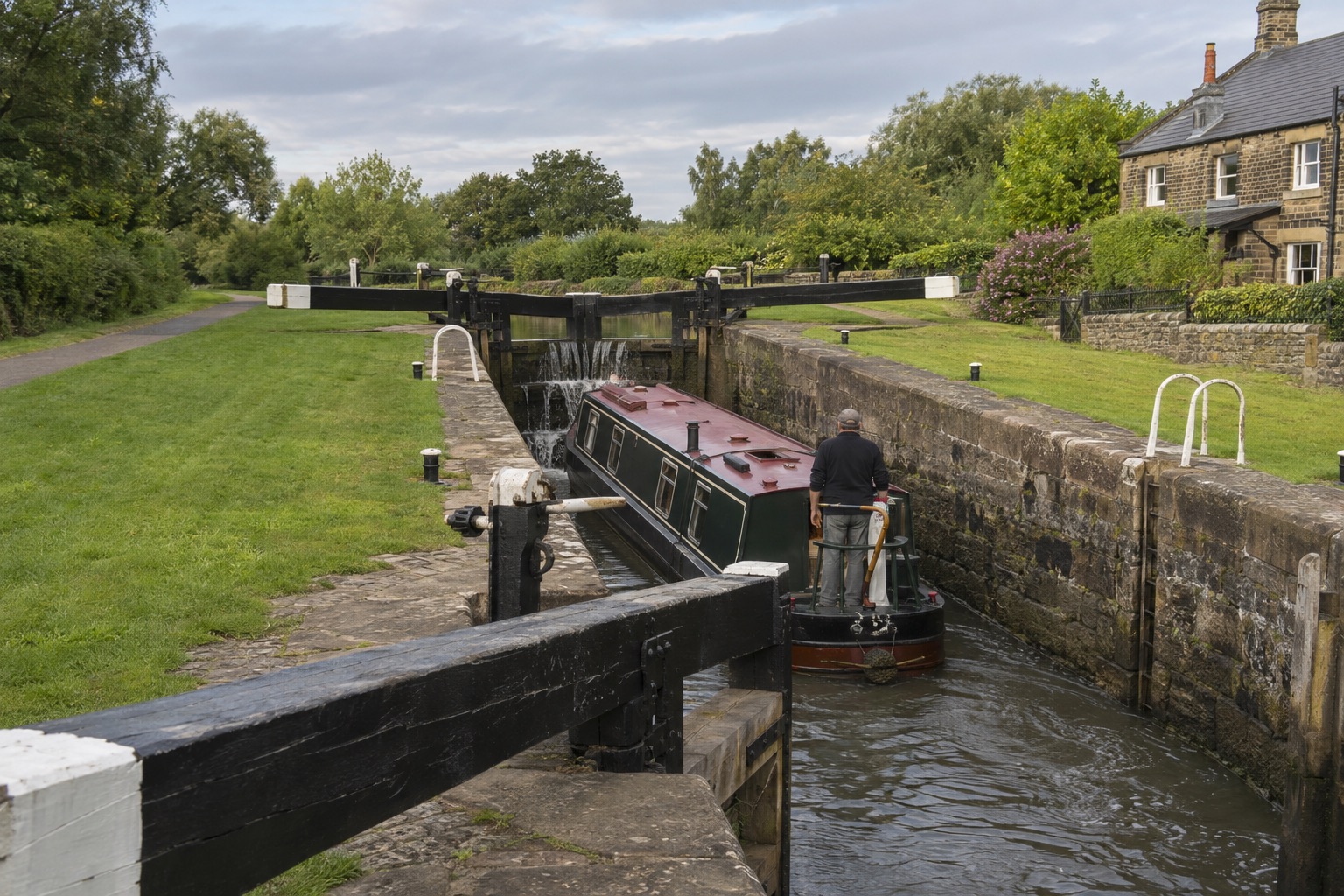 Boat handling
How to work a canal lock safely
A lock is straightforward when the crew slows down and communicates.
Read guide ↗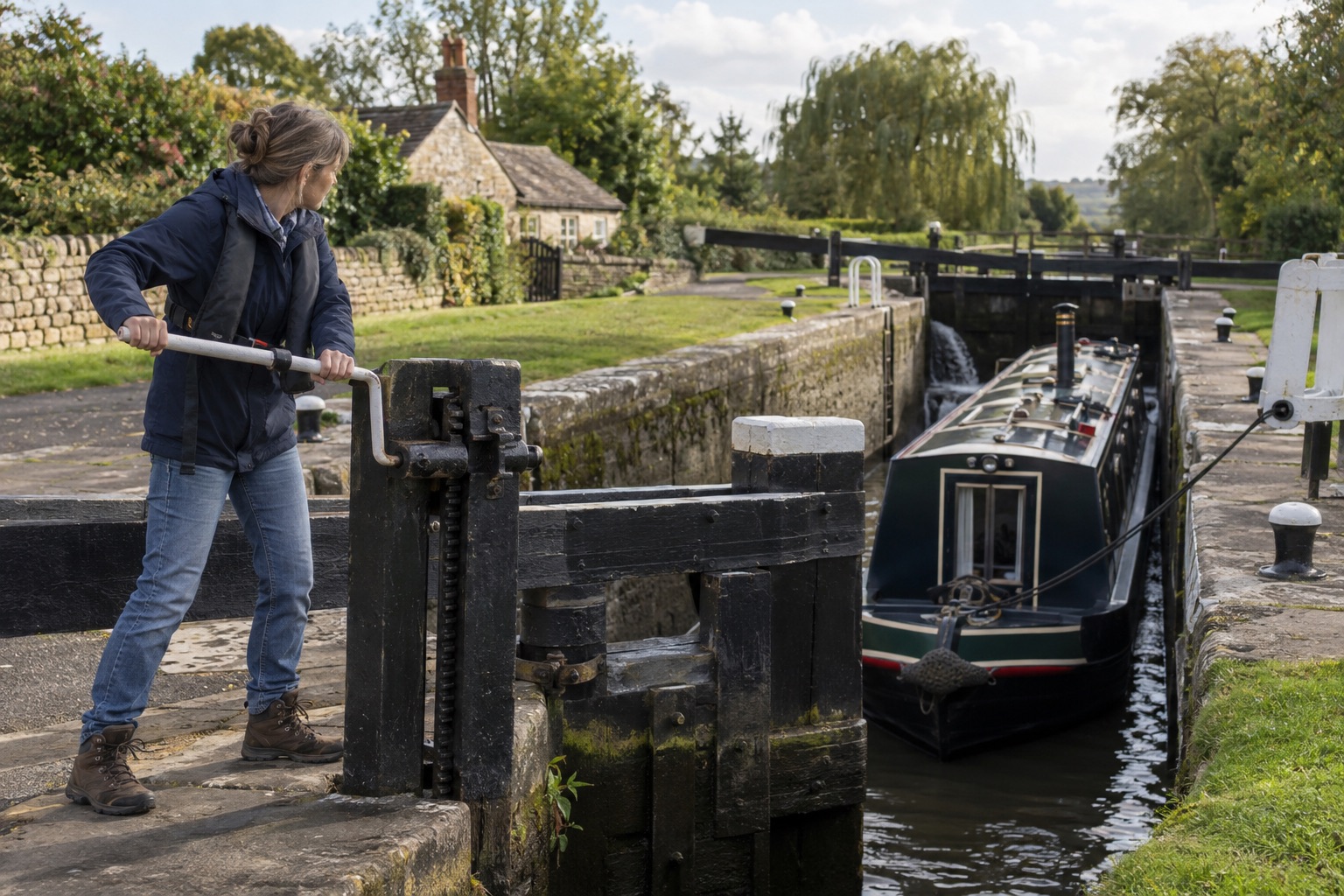 Boat handling
Single handing a narrowboat through locks
Solo lock work takes more walking and more planning, never more haste.
Read guide ↗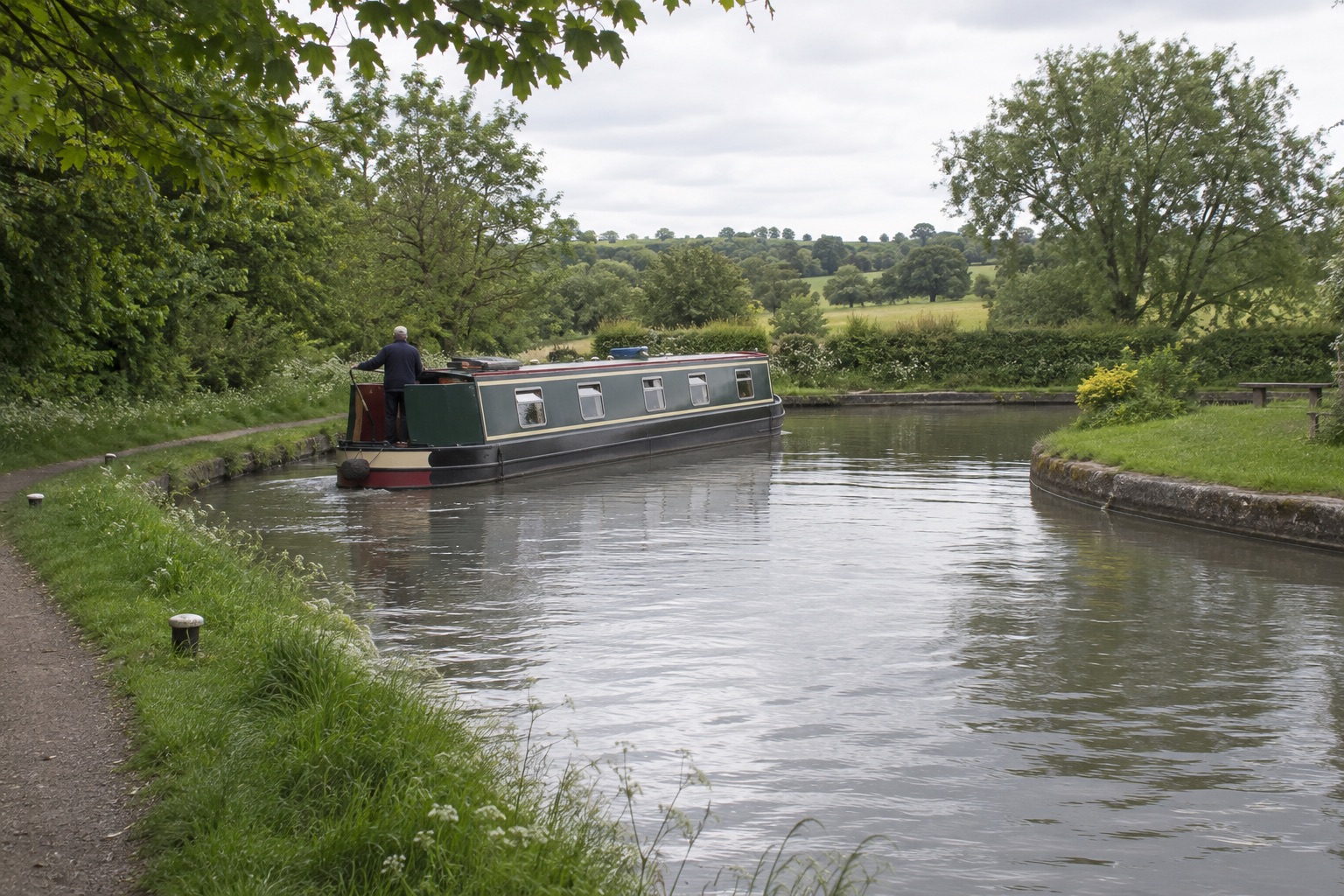 Boat handling
Turning a narrowboat at a winding hole
A marked turning place still needs a look at the bank, wind and traffic.
Read guide ↗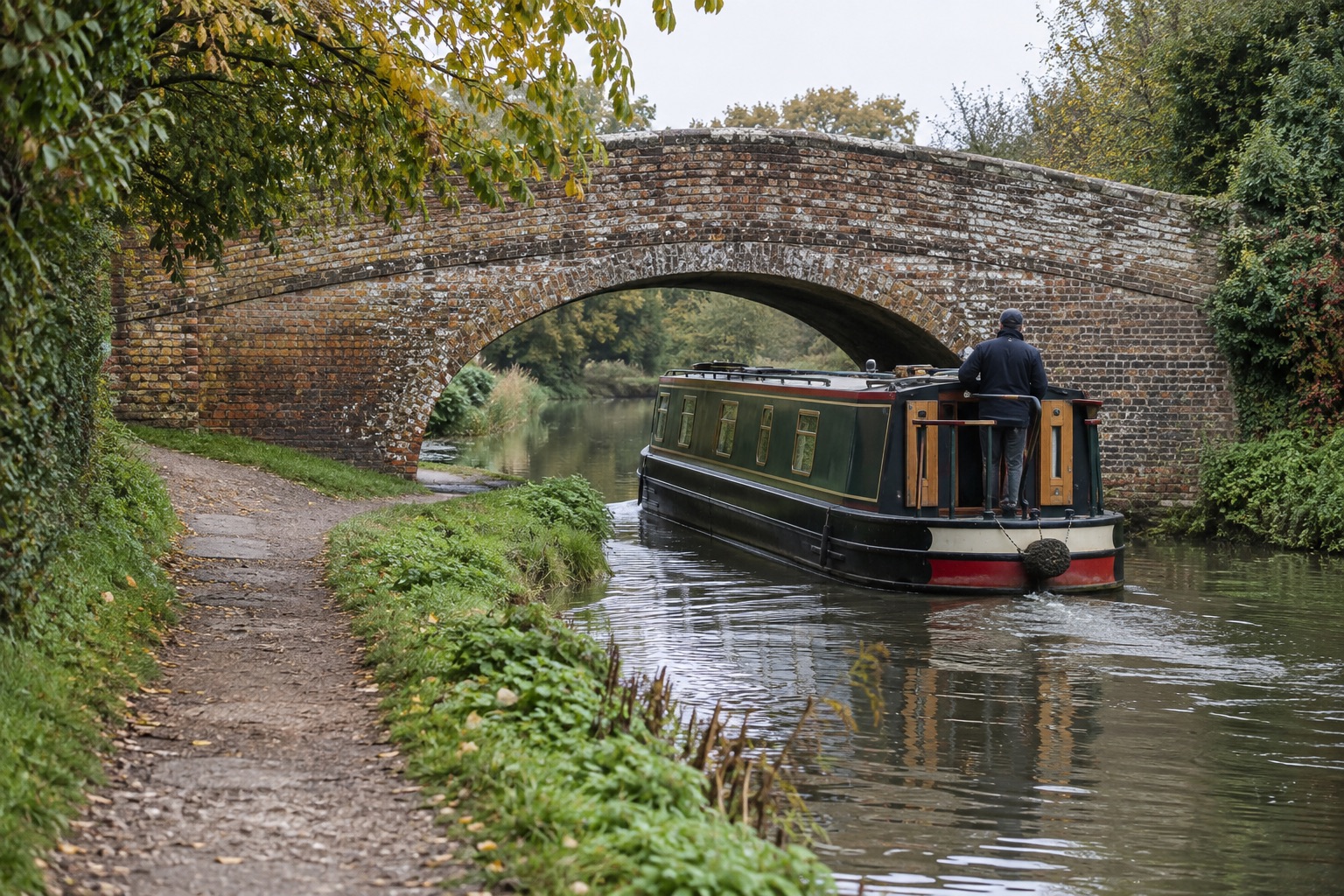 Boat handling
Navigating bridges and tunnels
Headroom and visibility can change along the same trip.
Read guide ↗Routes and conditions
 Routes and conditions
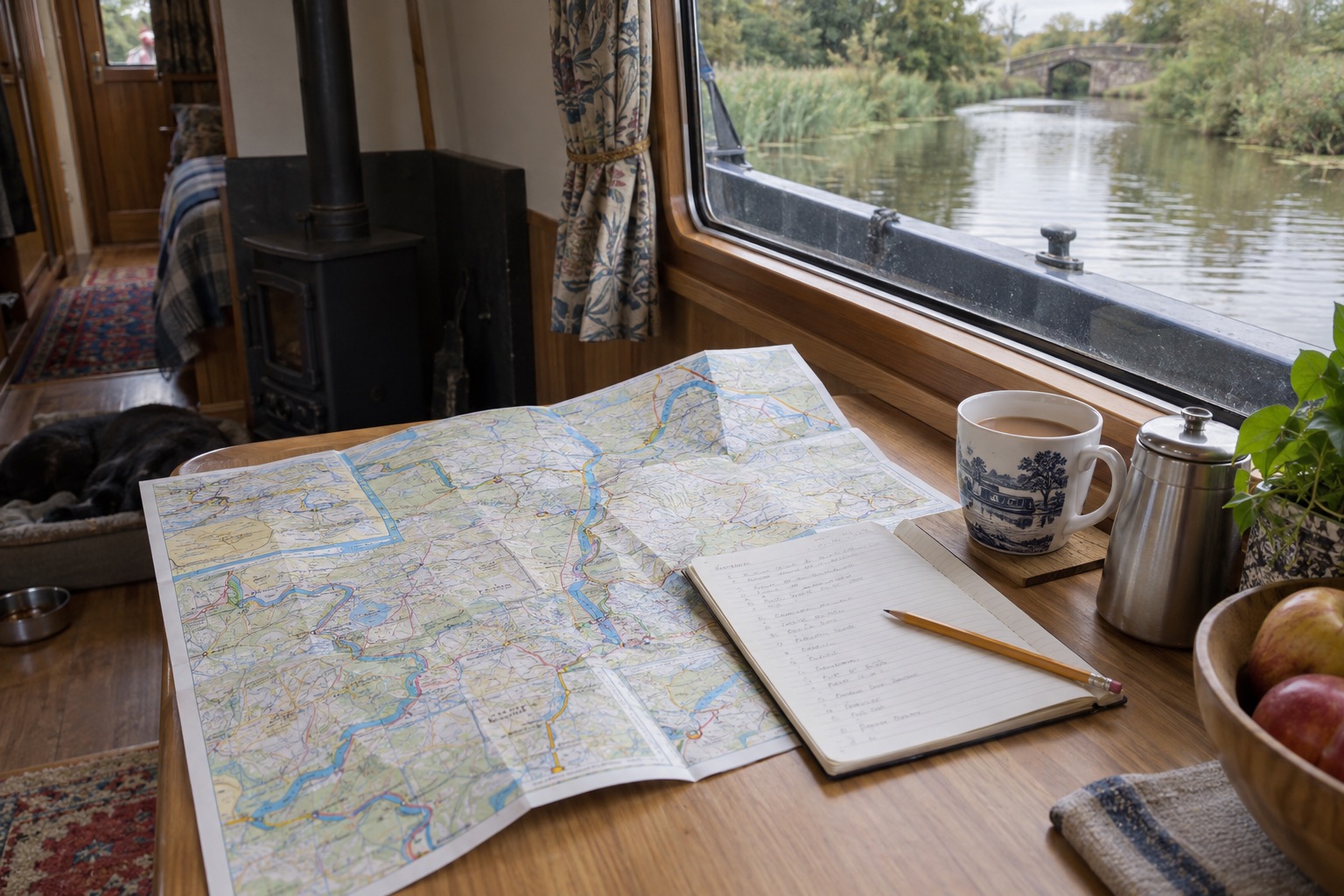
A canal route planning checklist
A good route is one you can still use when something closes.
Read guide ↗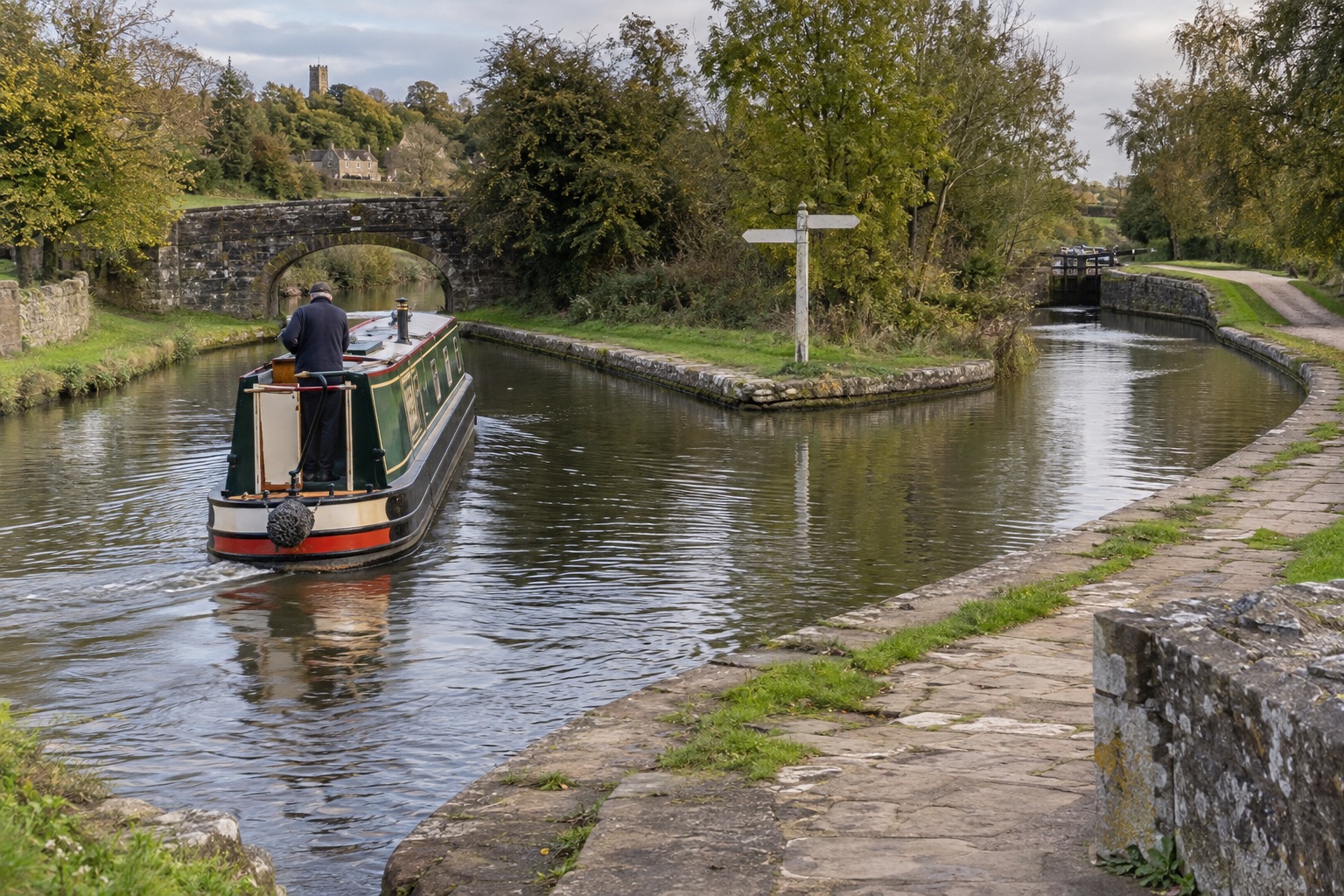 Routes and conditions
Planning a canal ring without rushing
A ring is satisfying only when its tightest day still feels manageable.
Read guide ↗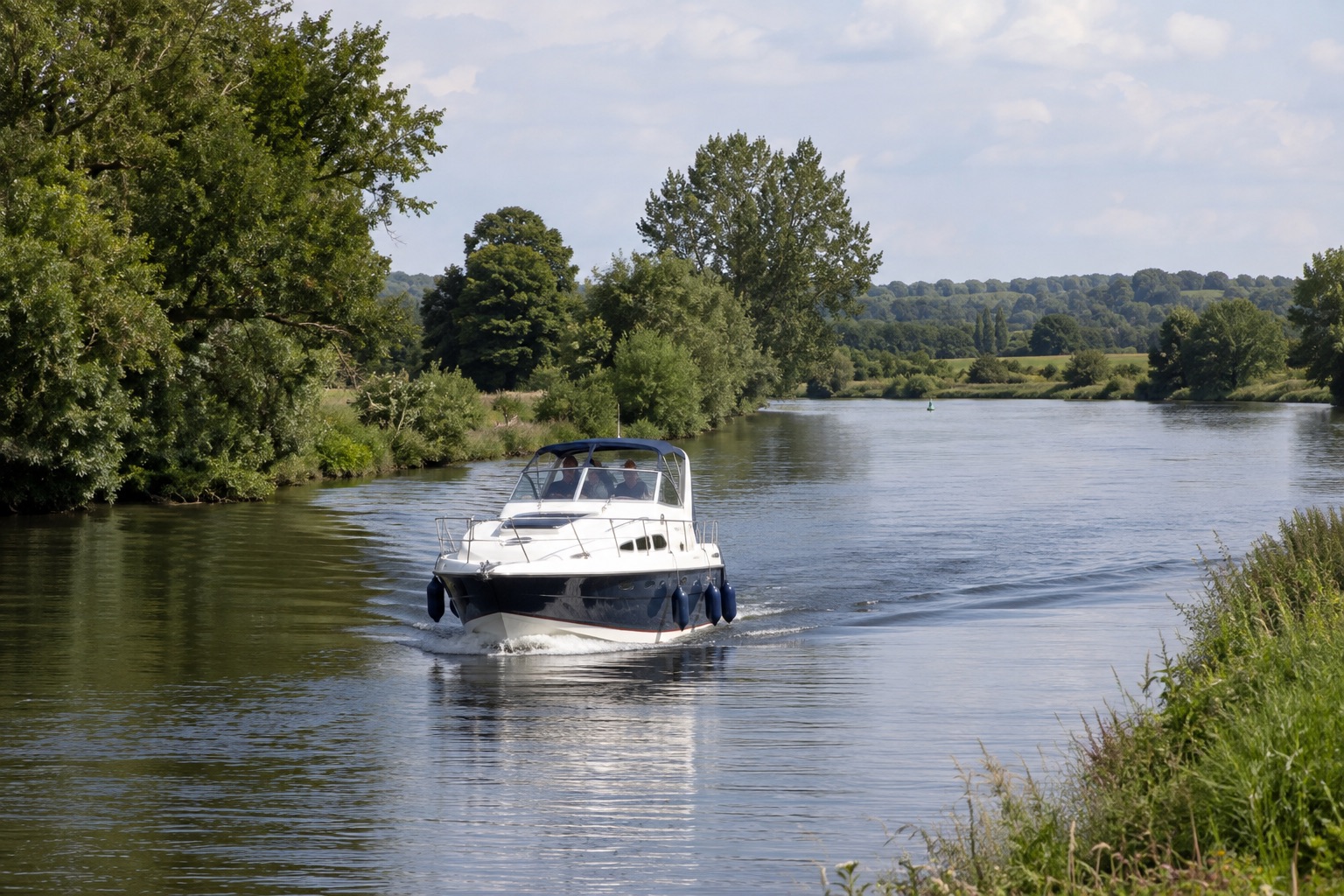 Routes and conditions
Canal to river: what changes for a boater
Flow, weather and landing places matter more once the banks open out.
Read guide ↗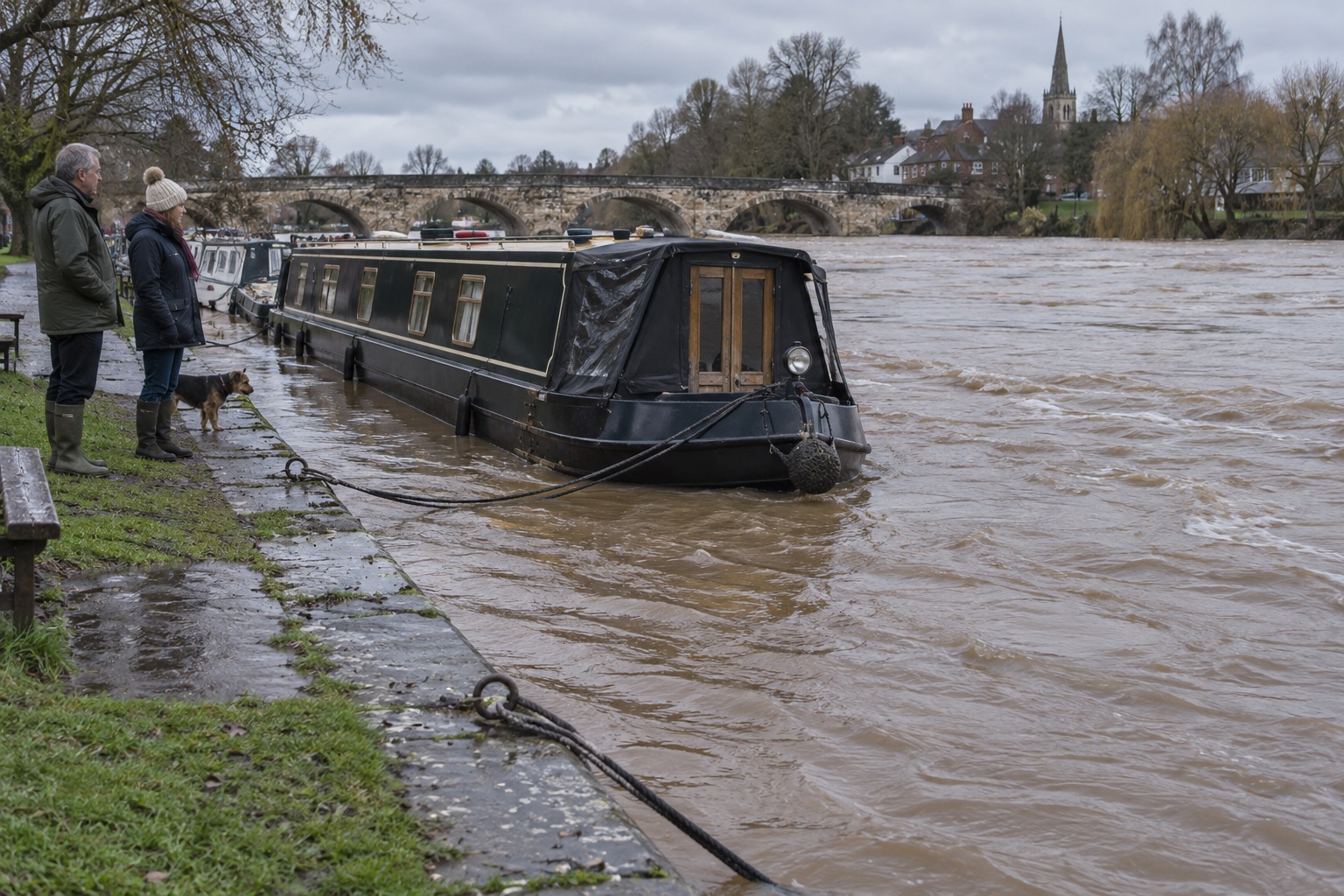 Routes and conditions
What to do when a river has a strong stream warning
A warning is a reason to reconsider the journey, not a challenge to beat.
Read guide ↗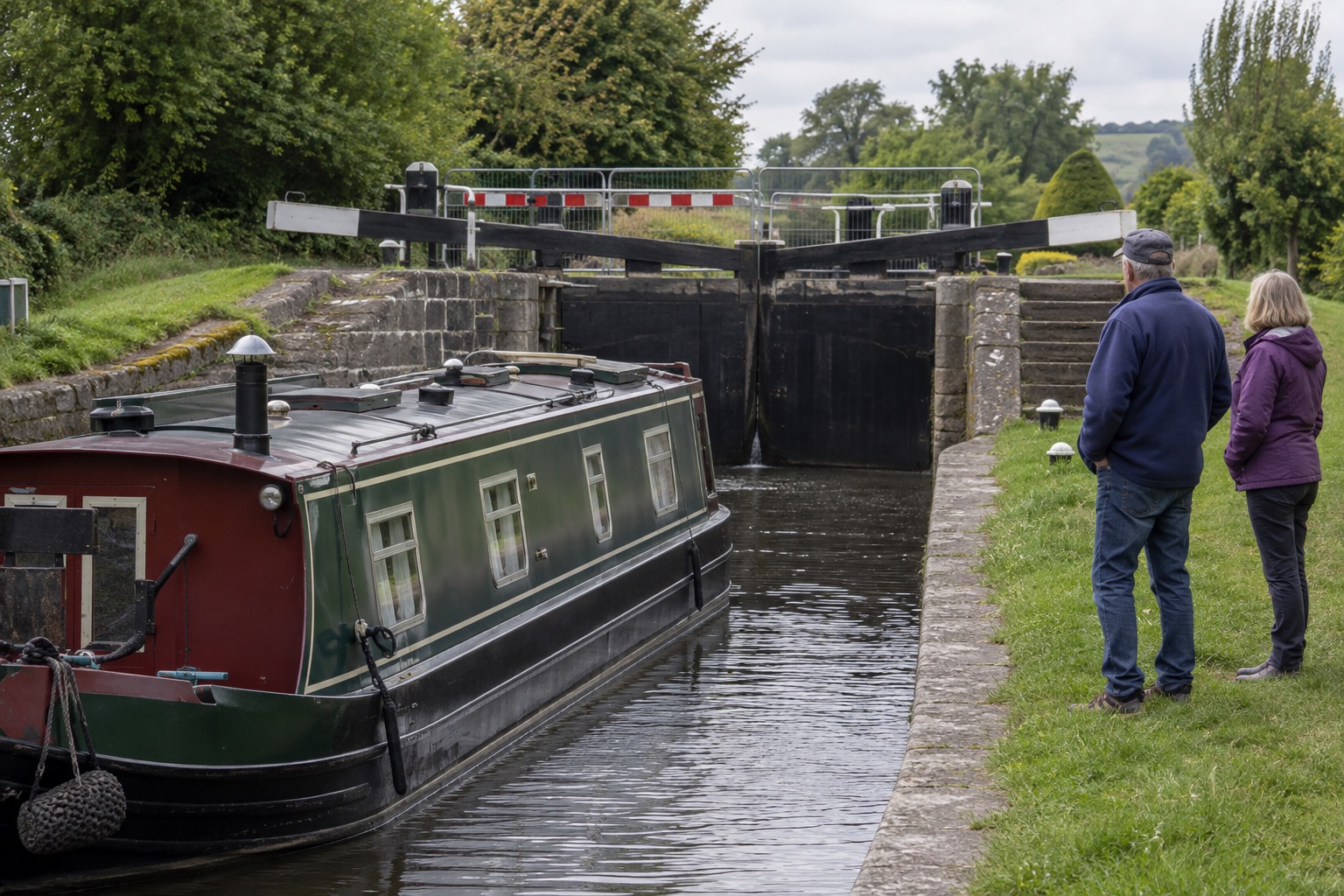 Routes and conditions
How to check canal stoppages before travelling
A route can be open on the map and closed on the water.
Read guide ↗Mooring and services
 Mooring and services
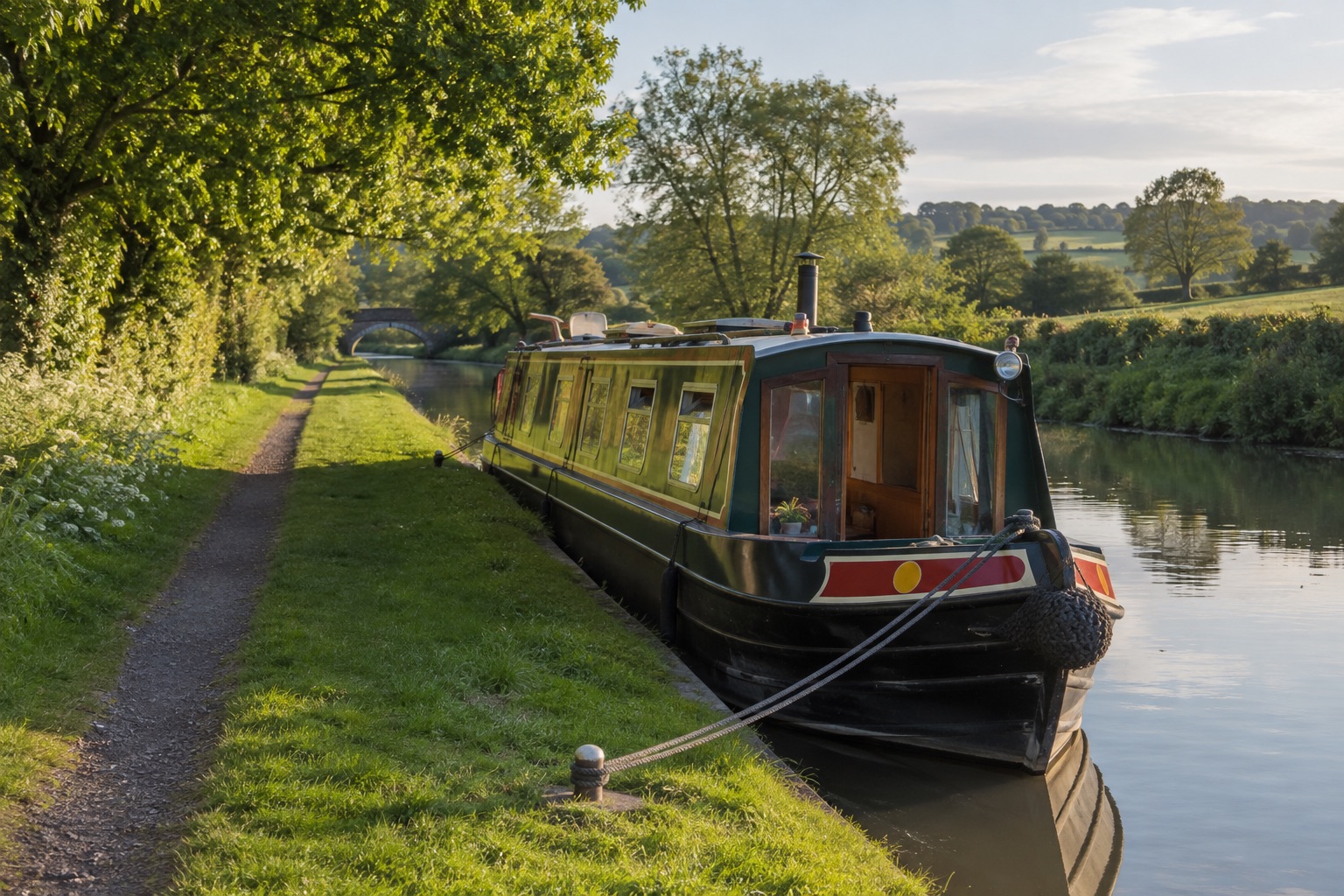
Finding a suitable canal mooring
A peaceful stretch is useful only if the boat can lie there safely and legally.
Read guide ↗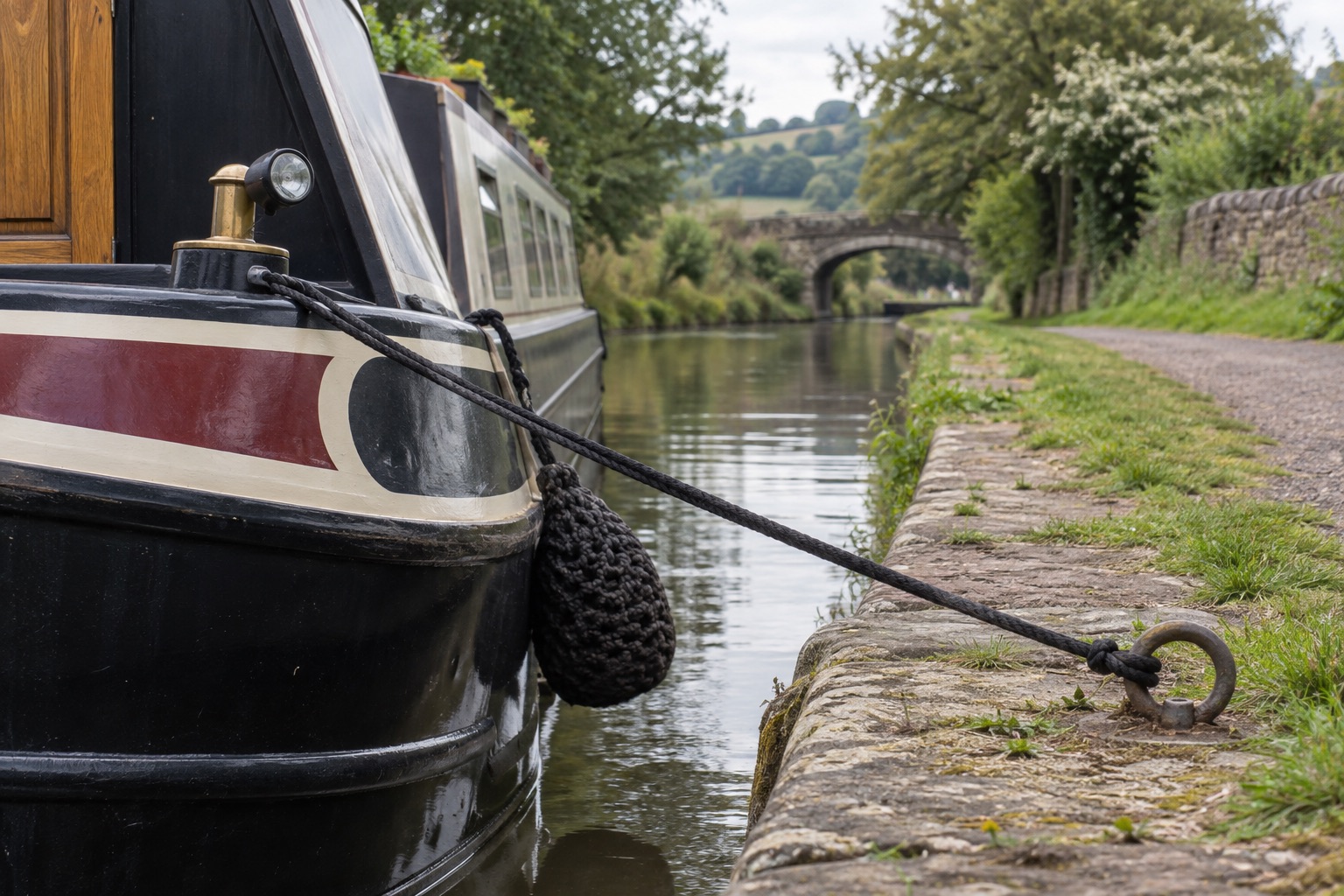 Mooring and services
How to tie up a narrowboat
Good lines hold the boat without making it fight the bank.
Read guide ↗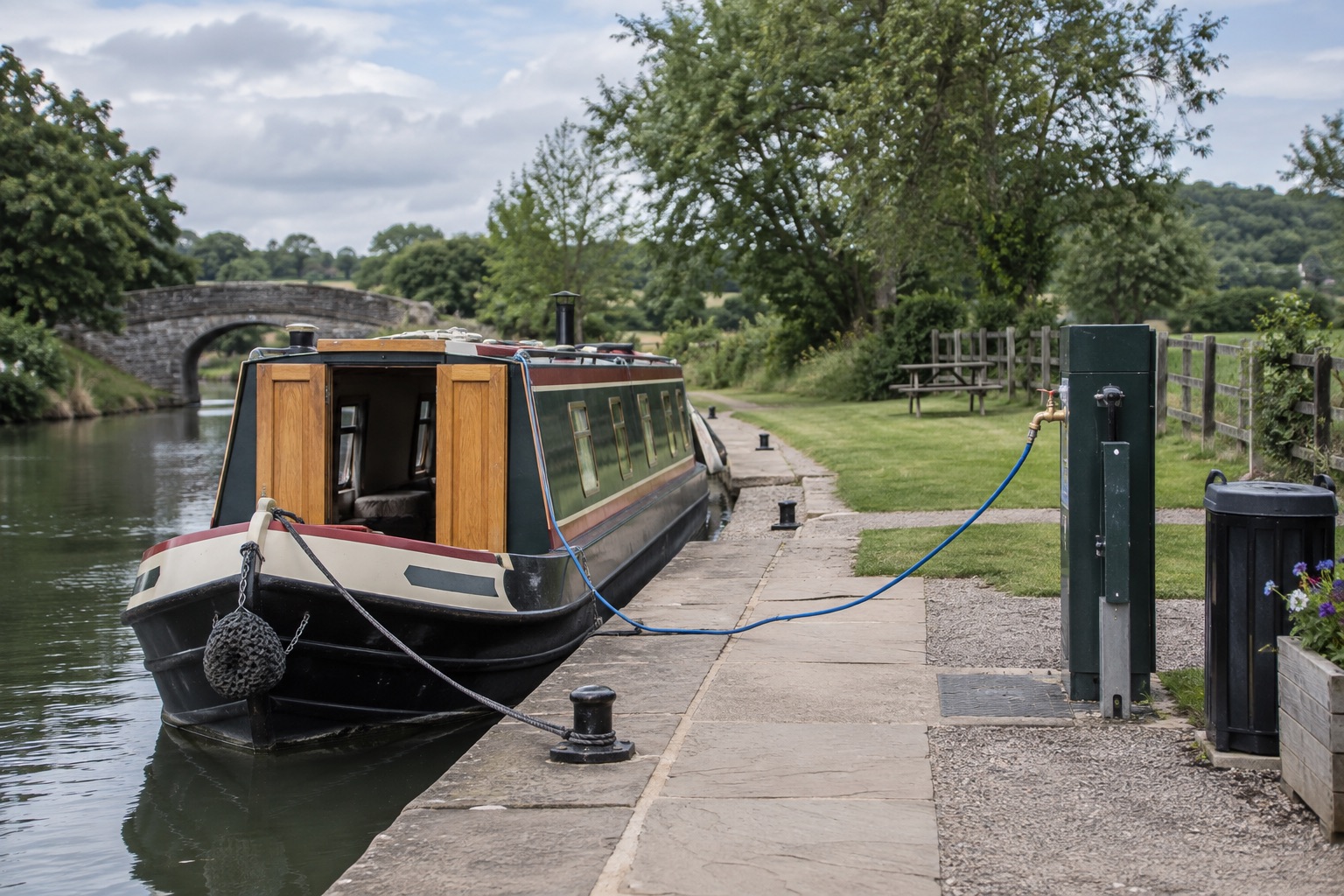 Mooring and services
Using canal water points without blocking them
A water stop goes more smoothly when the hose and waiting space are ready.
Read guide ↗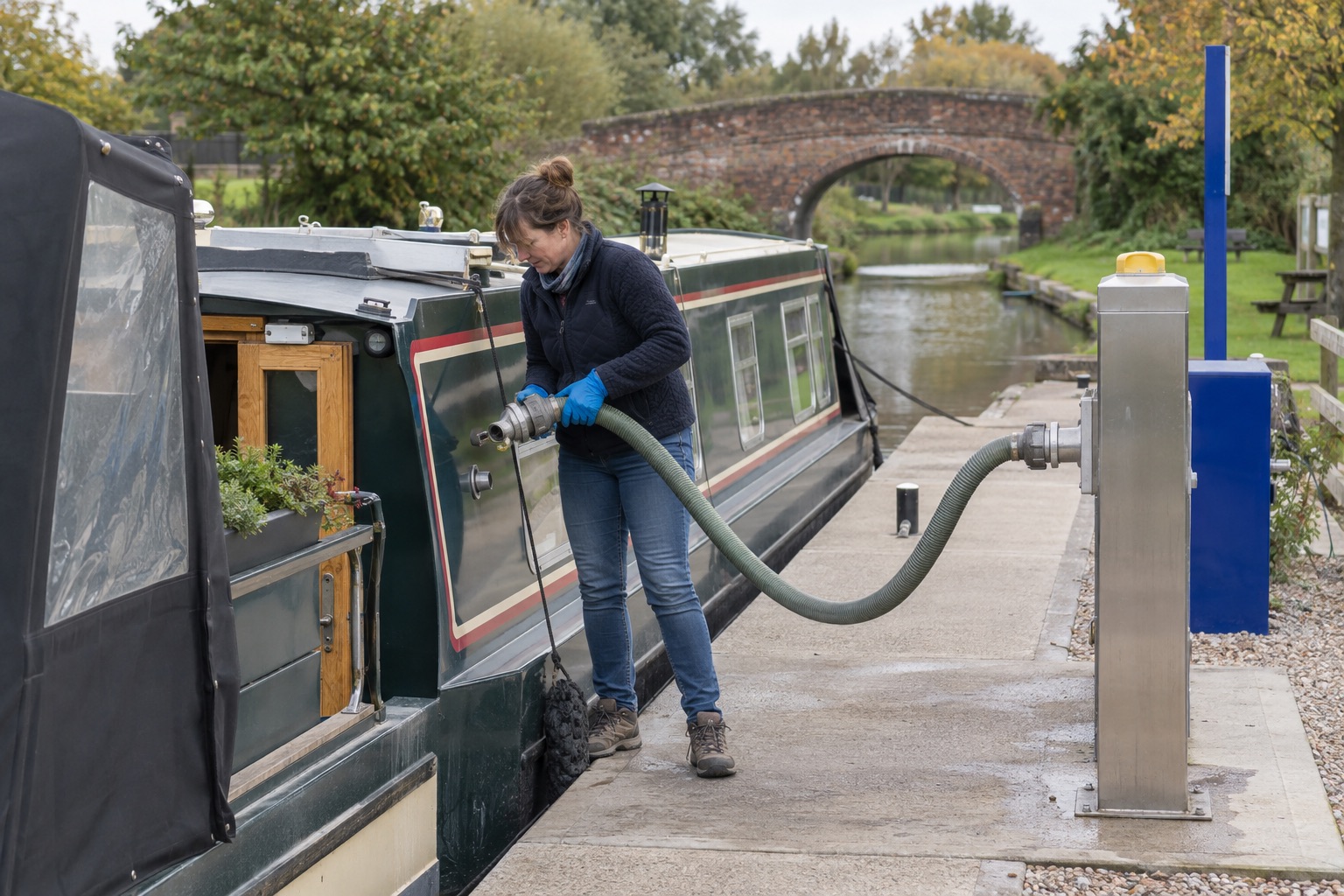 Mooring and services
Elsan and pump-out: choosing and using the right facility
Waste systems are different, and the disposal point must suit yours.
Read guide ↗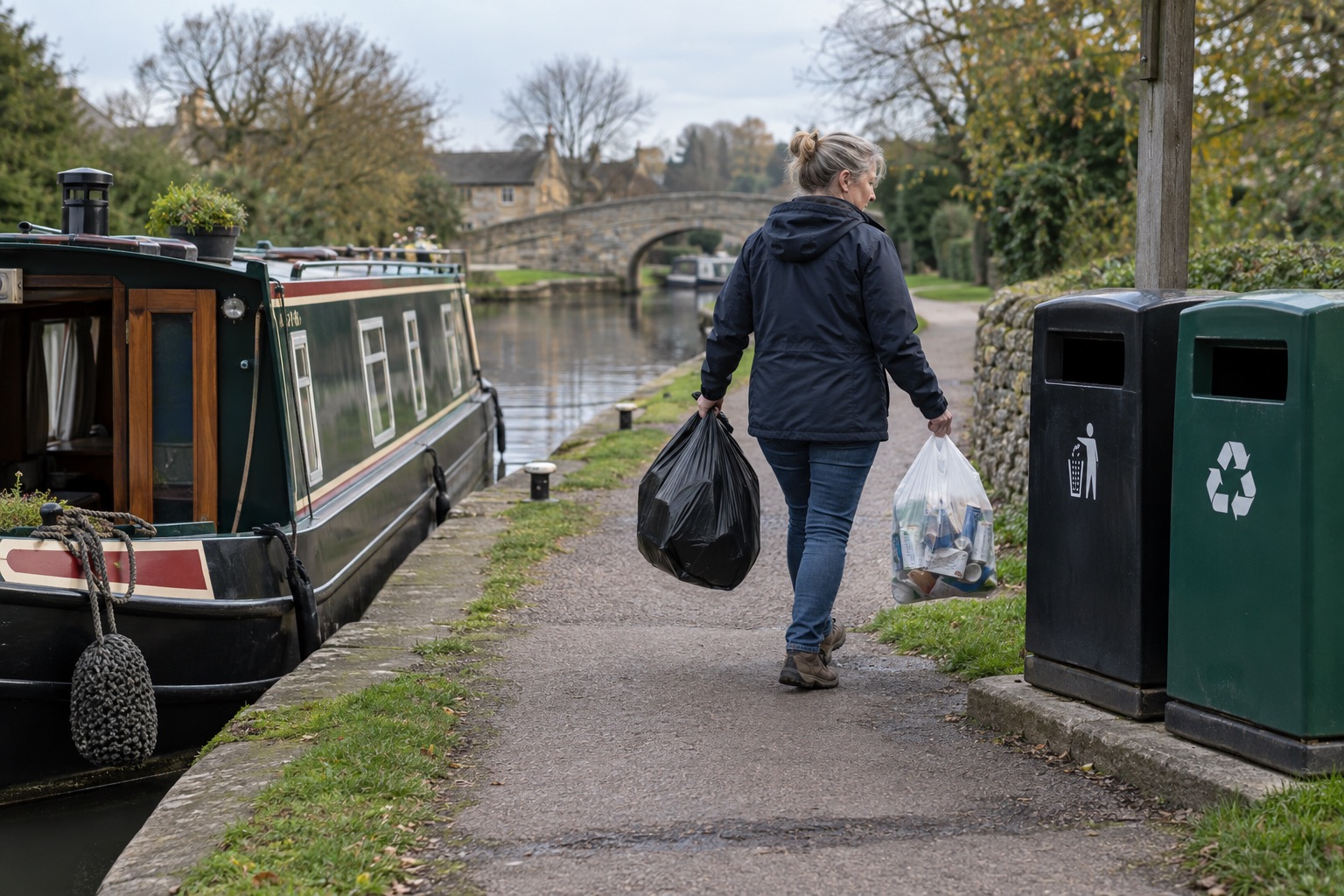 Mooring and services
Managing rubbish and recycling aboard
A small cabin stays pleasant when waste has a plan.
Read guide ↗Wide beam boating
 Wide beam boating
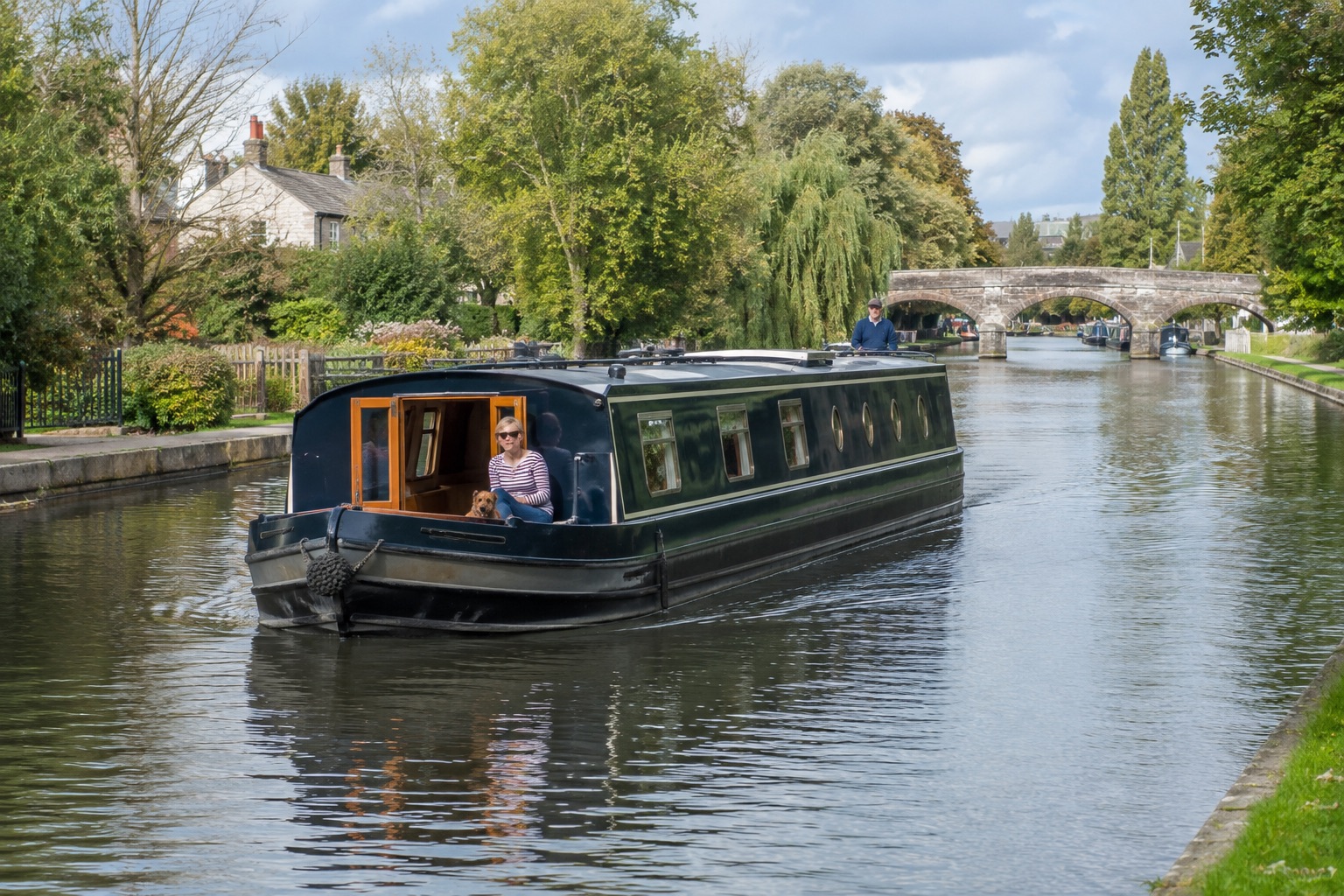
Planning a route for a wide beam boat
The narrowest point on the route decides what a wide beam can reach.
Read guide ↗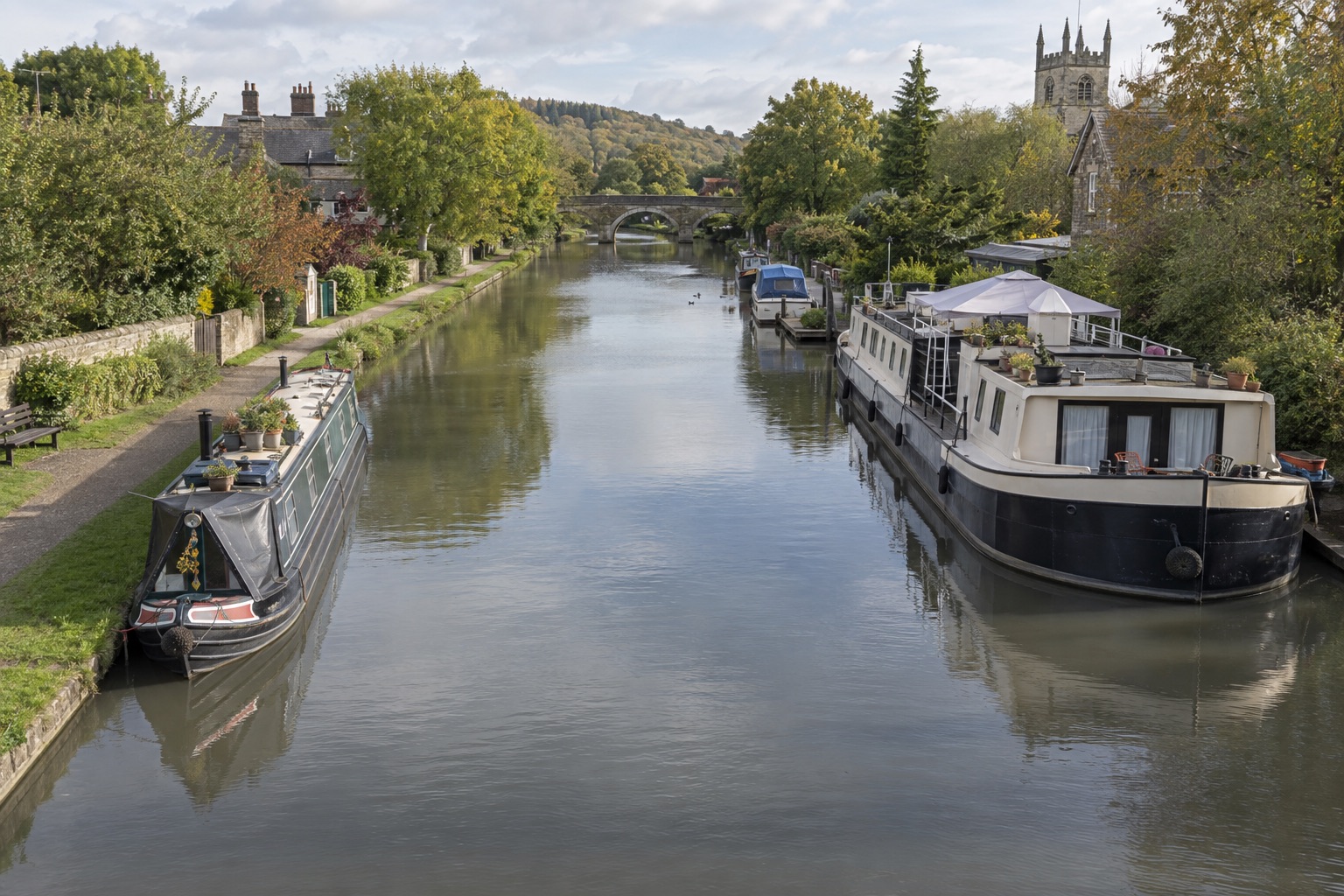 Wide beam boating
Wide beam or narrowboat: which suits your cruising?
Cabin width is only one part of the choice.
Read guide ↗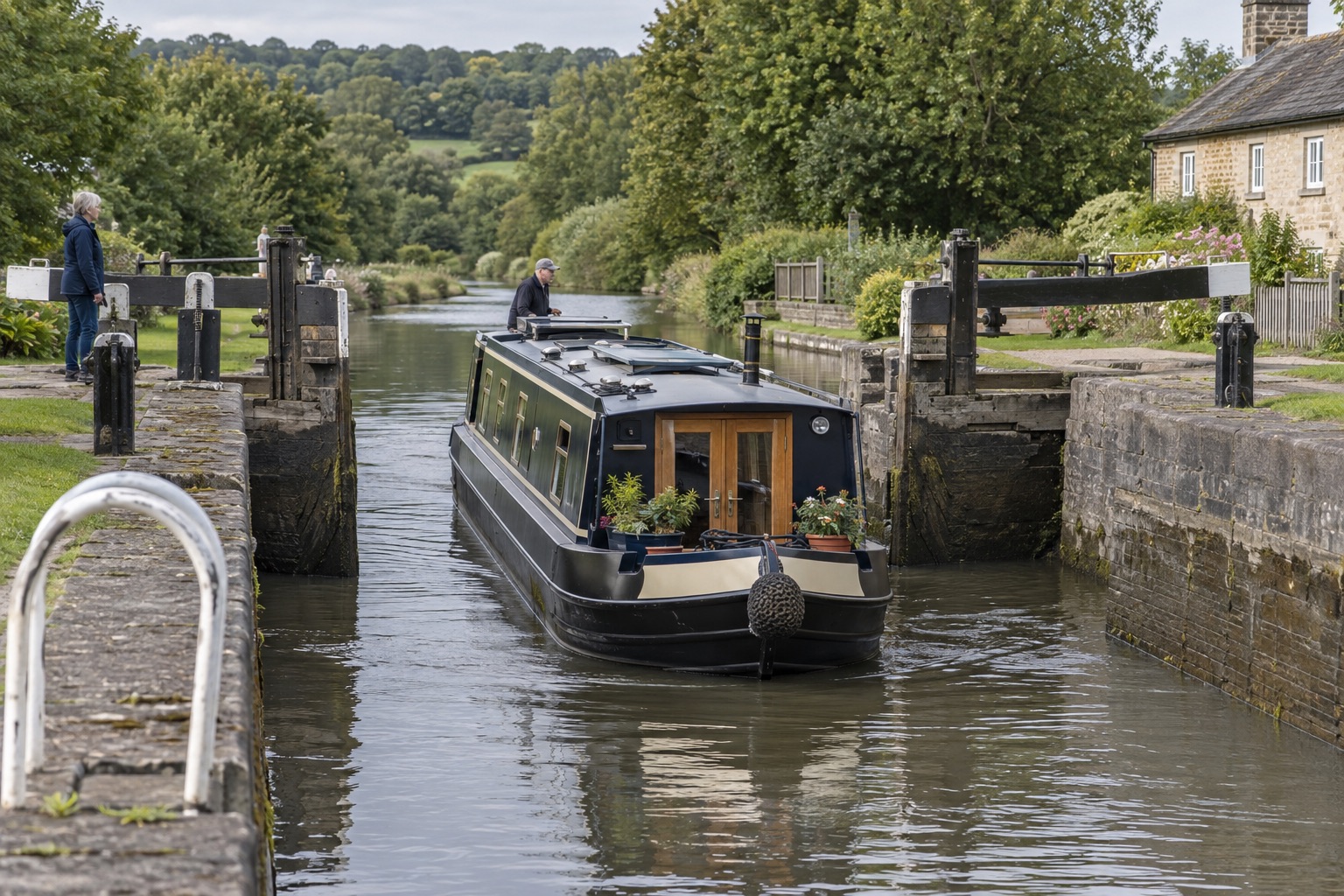 Wide beam boating
Taking a wide beam boat through locks
A lock that takes the beam on paper can still demand careful handling.
Read guide ↗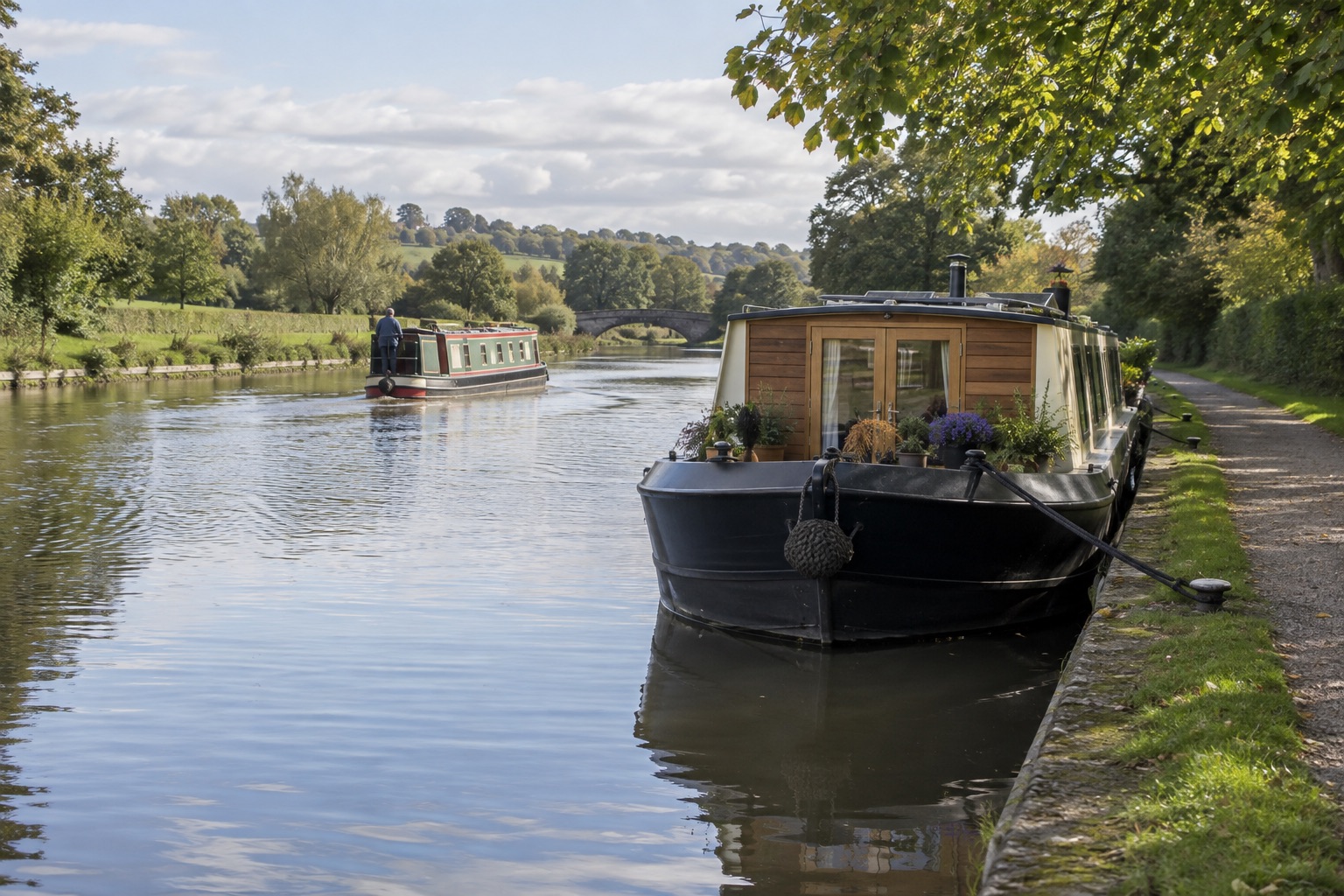 Wide beam boating
Mooring a wide beam without obstructing the cut
Extra width changes how you choose and occupy a berth.
Read guide ↗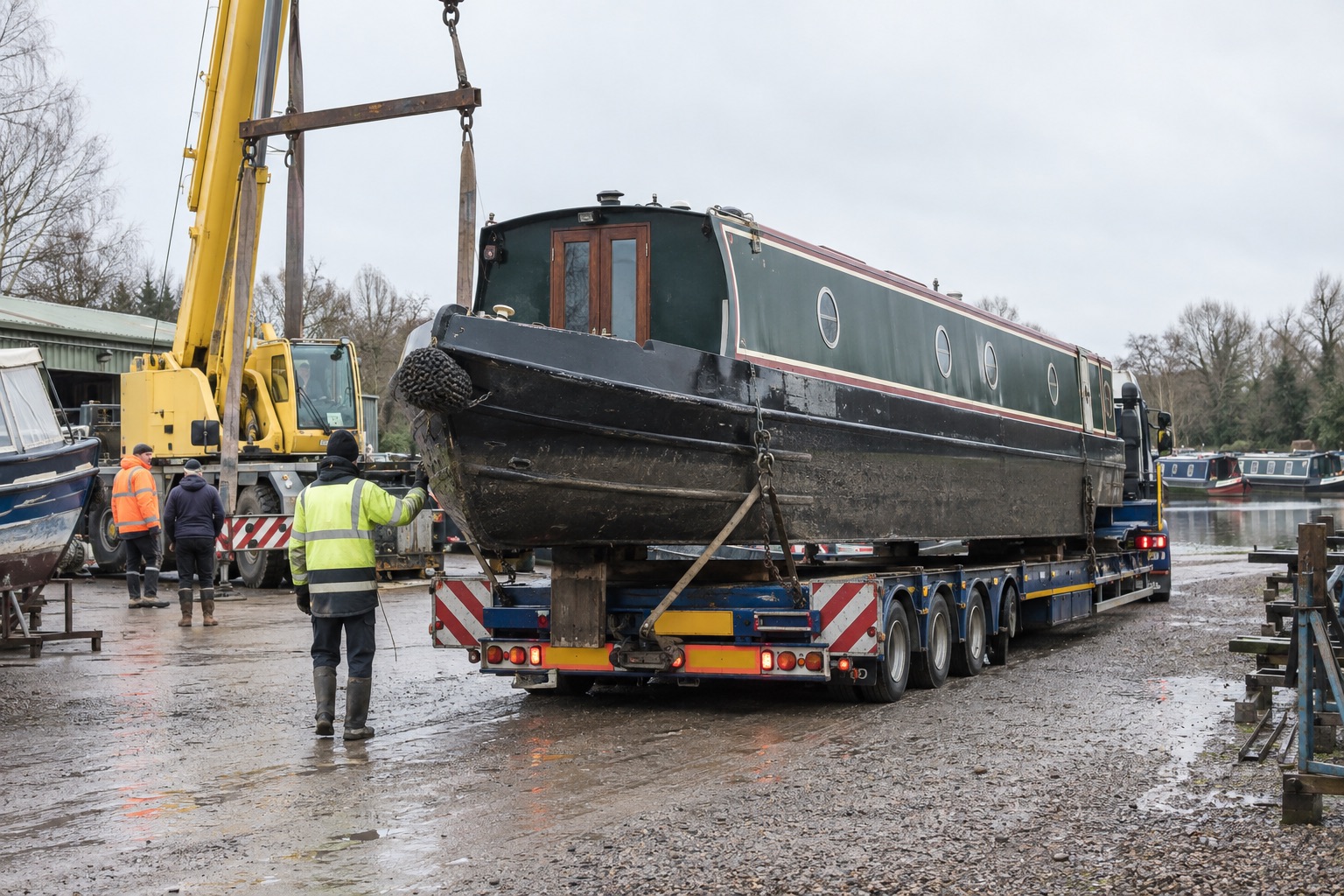 Wide beam boating
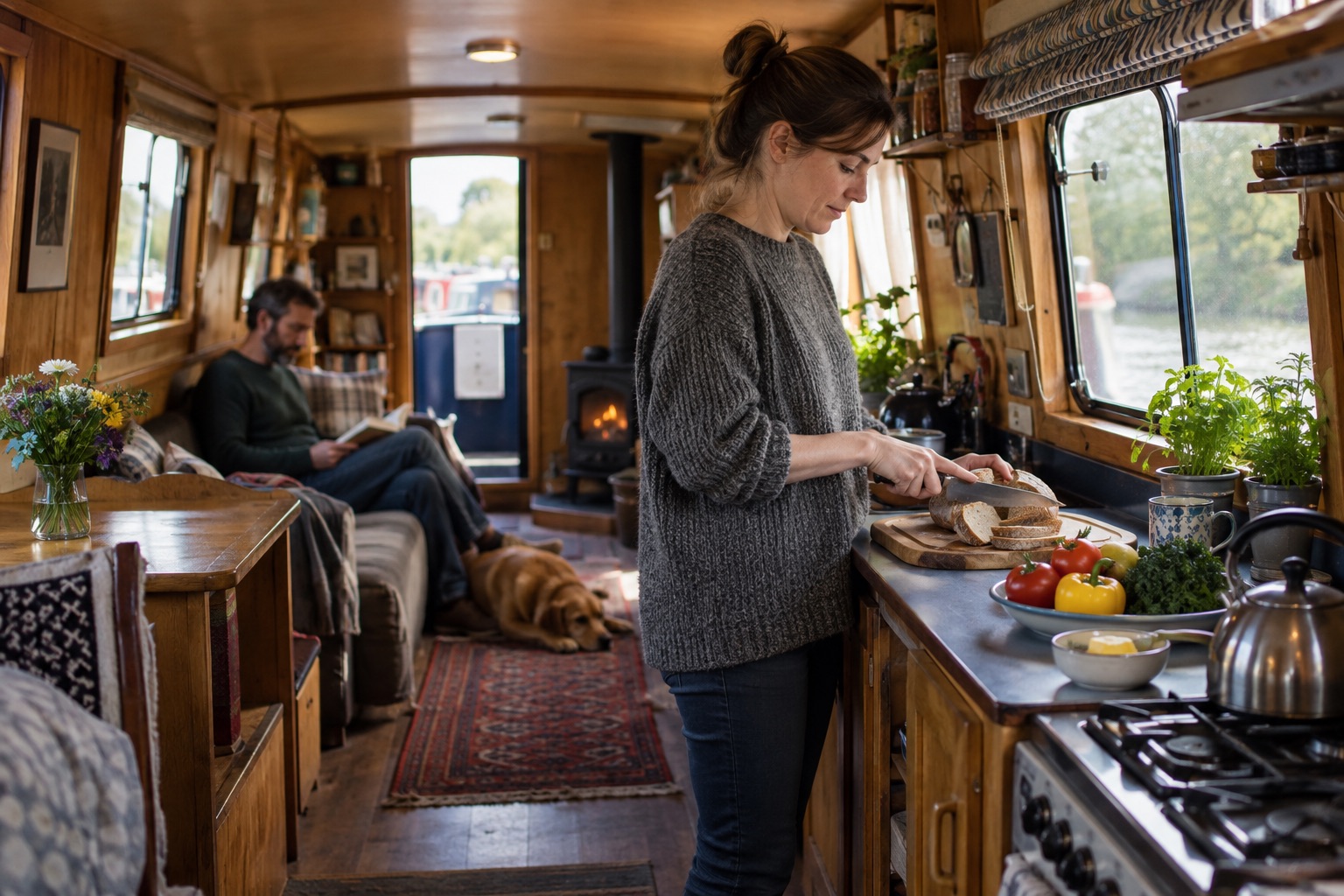
Moving a wide beam between disconnected waterways
Sometimes the safe route is by road rather than through a narrow lock.
Read guide ↗Life aboard
 Life aboard
Living aboard a canal boat: the daily realities
The appealing view comes with water, waste, fuel and maintenance to manage.
Read guide ↗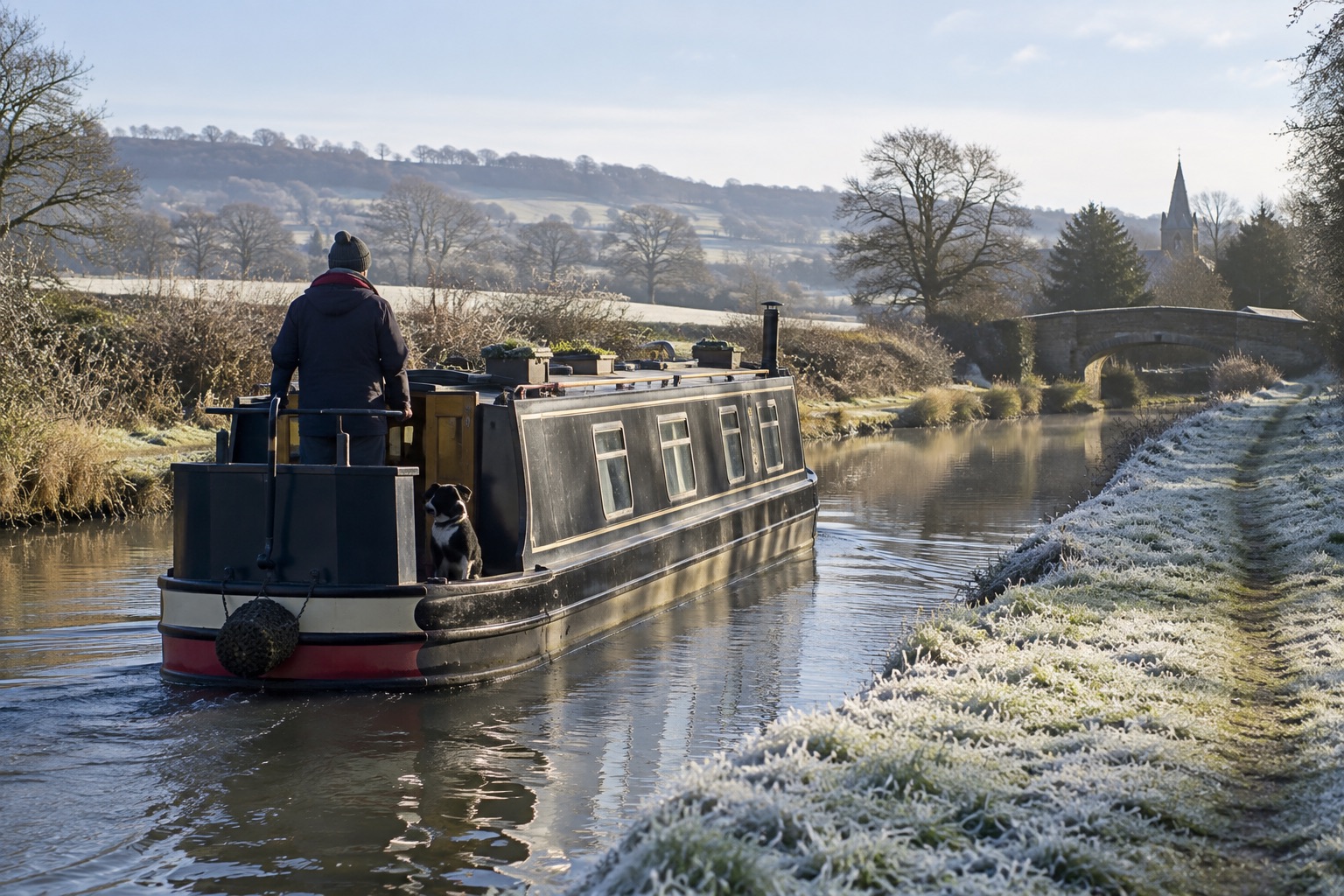 Life aboard
Continuous cruising: what to understand before you start
It is a travelling way of life with licence conditions, not simply a cheaper berth.
Read guide ↗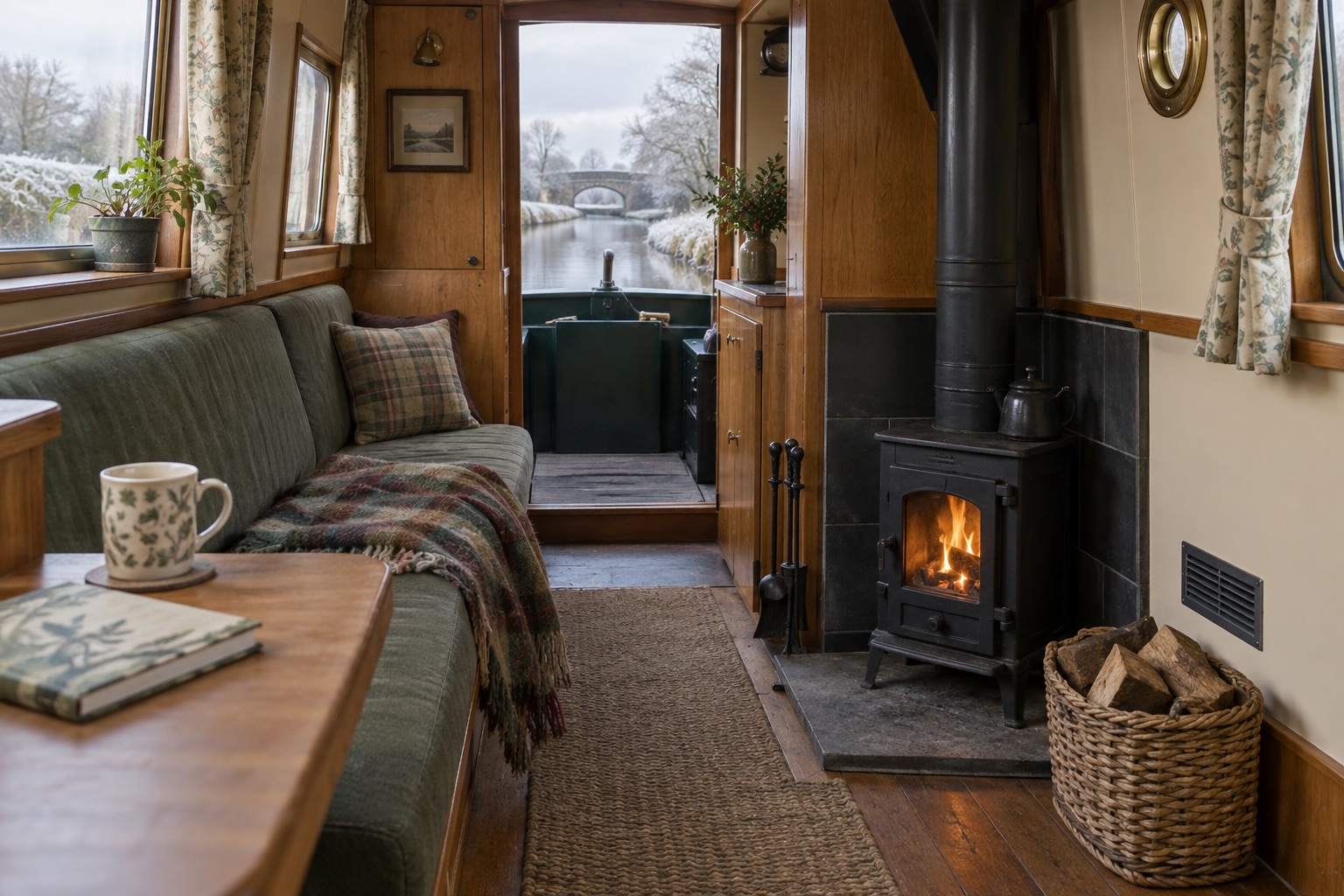 Life aboard
Heating a boat through a British winter
Warmth depends on safe equipment, fuel storage and ventilation working together.
Read guide ↗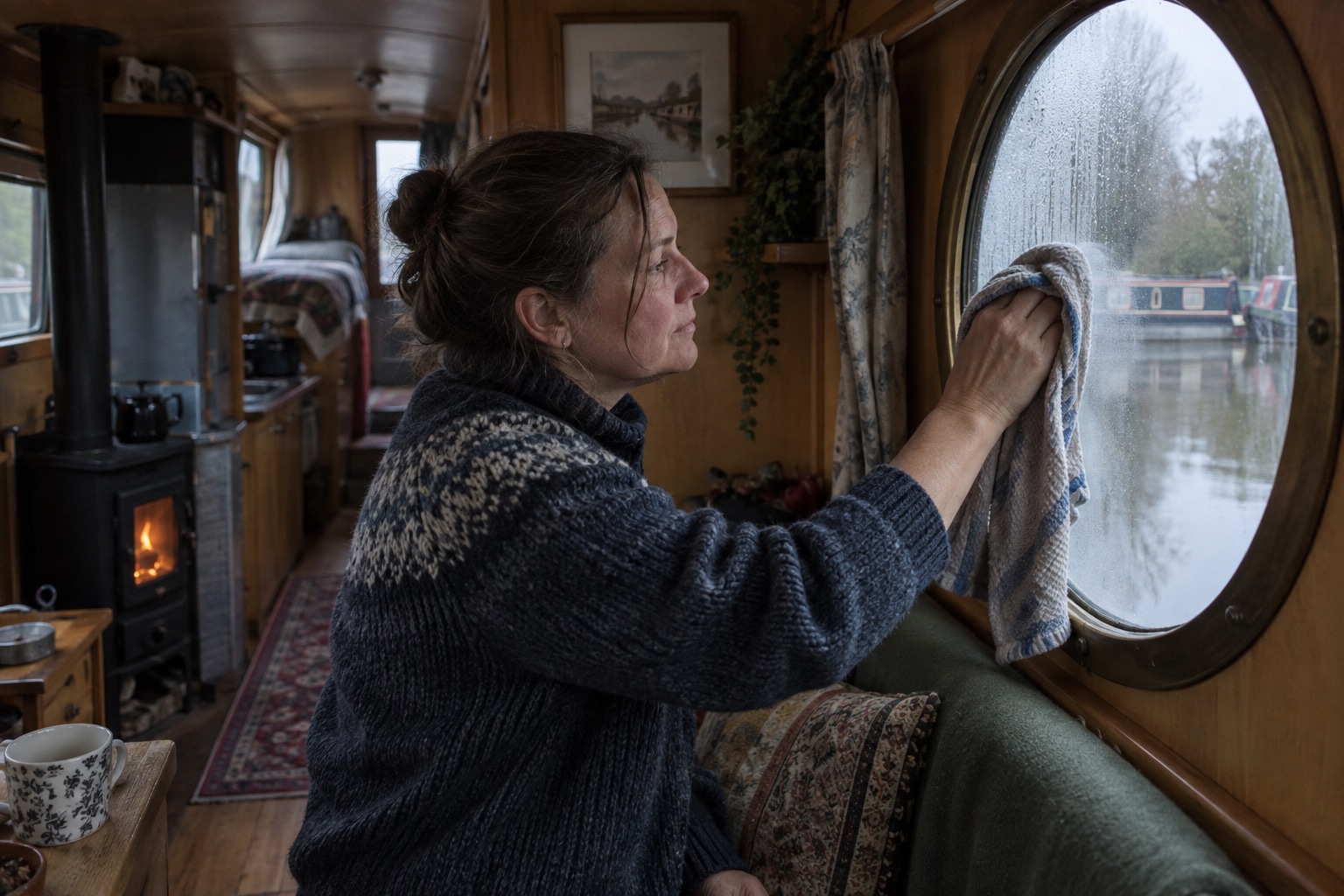 Life aboard
Reducing condensation on a canal boat
Moisture from cooking, washing and breathing has few places to go in a small cabin.
Read guide ↗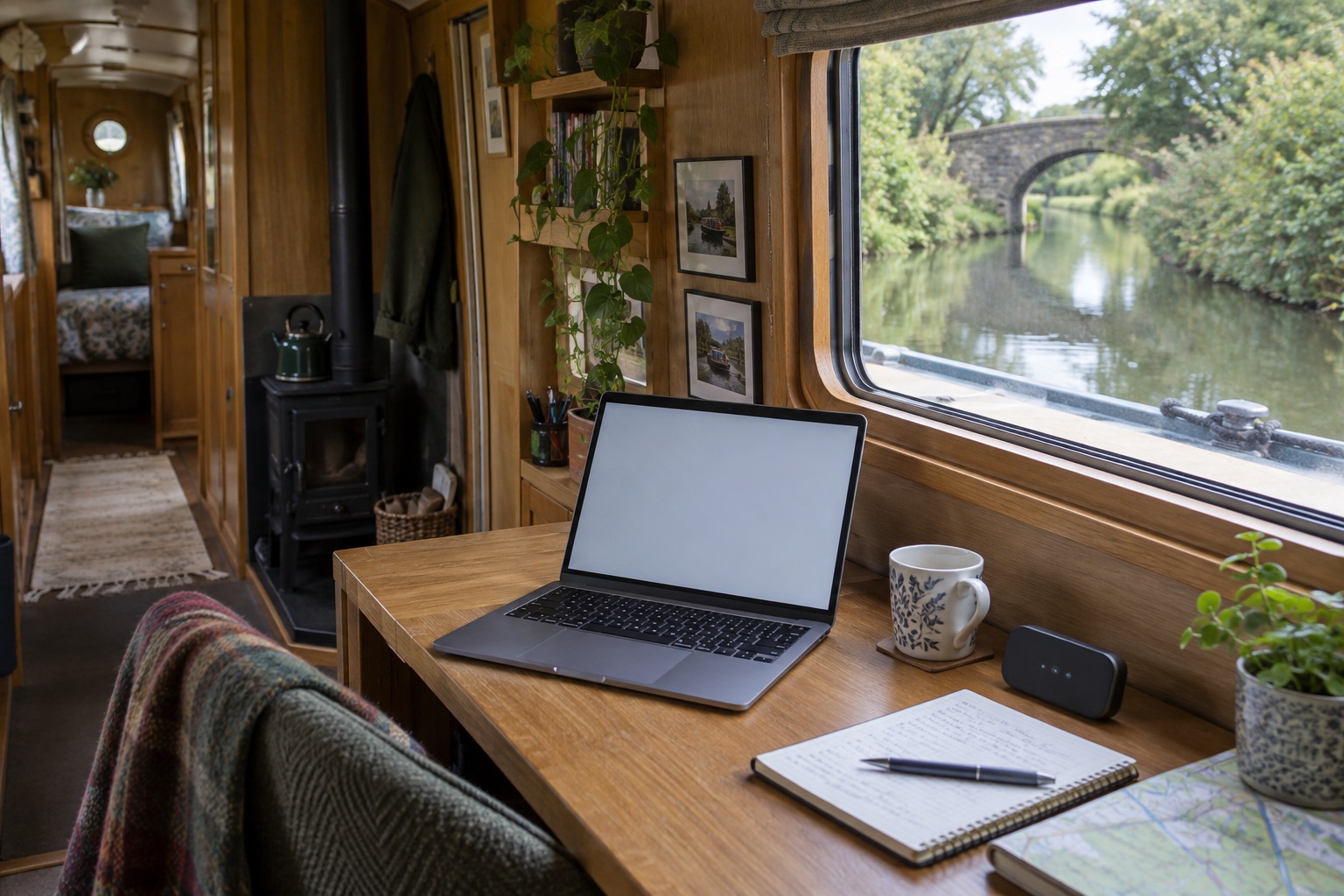 Life aboard
Working from a canal boat
A working day needs power, signal and a lawful place to stop.
Read guide ↗Maintenance
 Maintenance
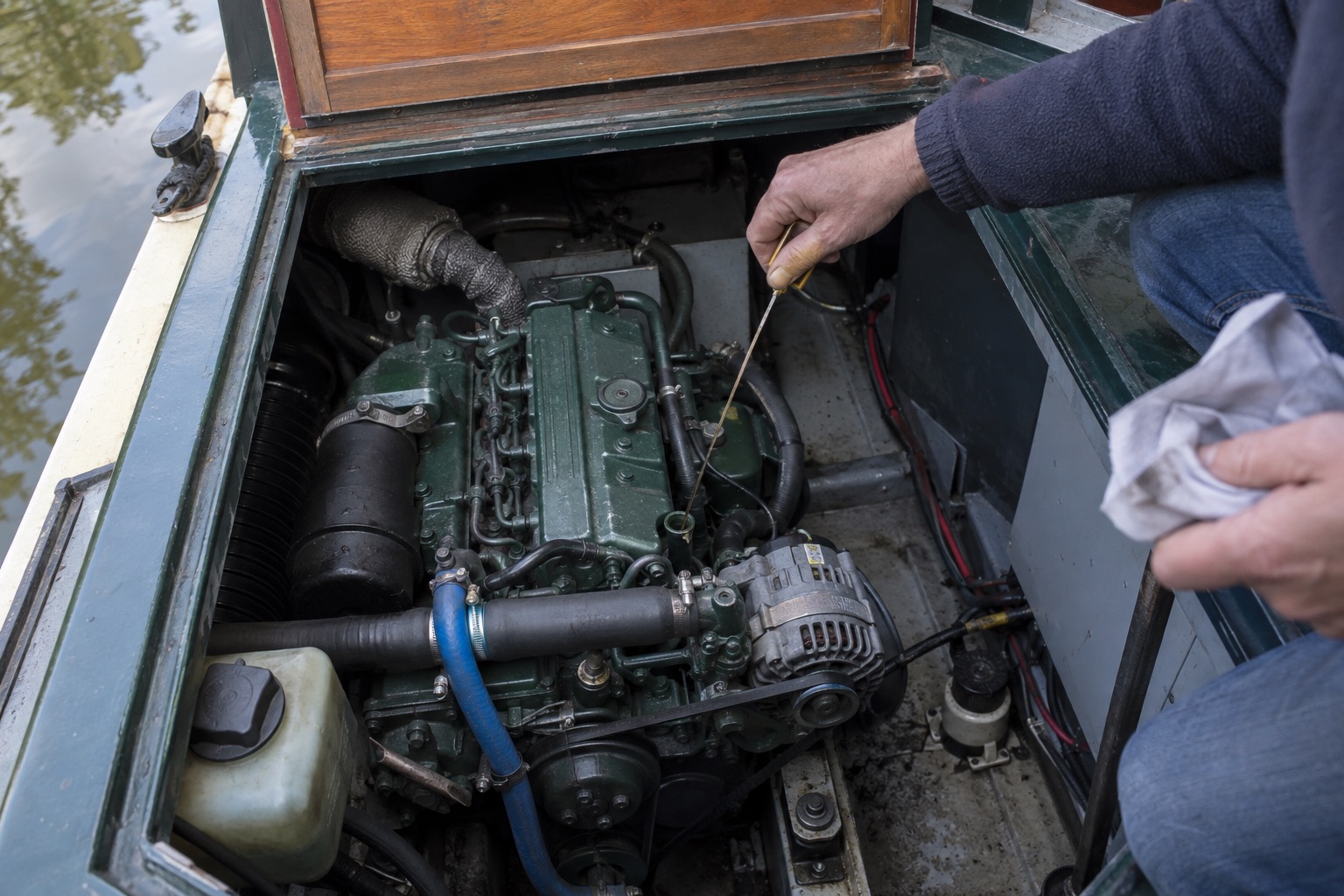
Narrowboat engine checks before setting off
A short look in the engine space can prevent a long afternoon adrift.
Read guide ↗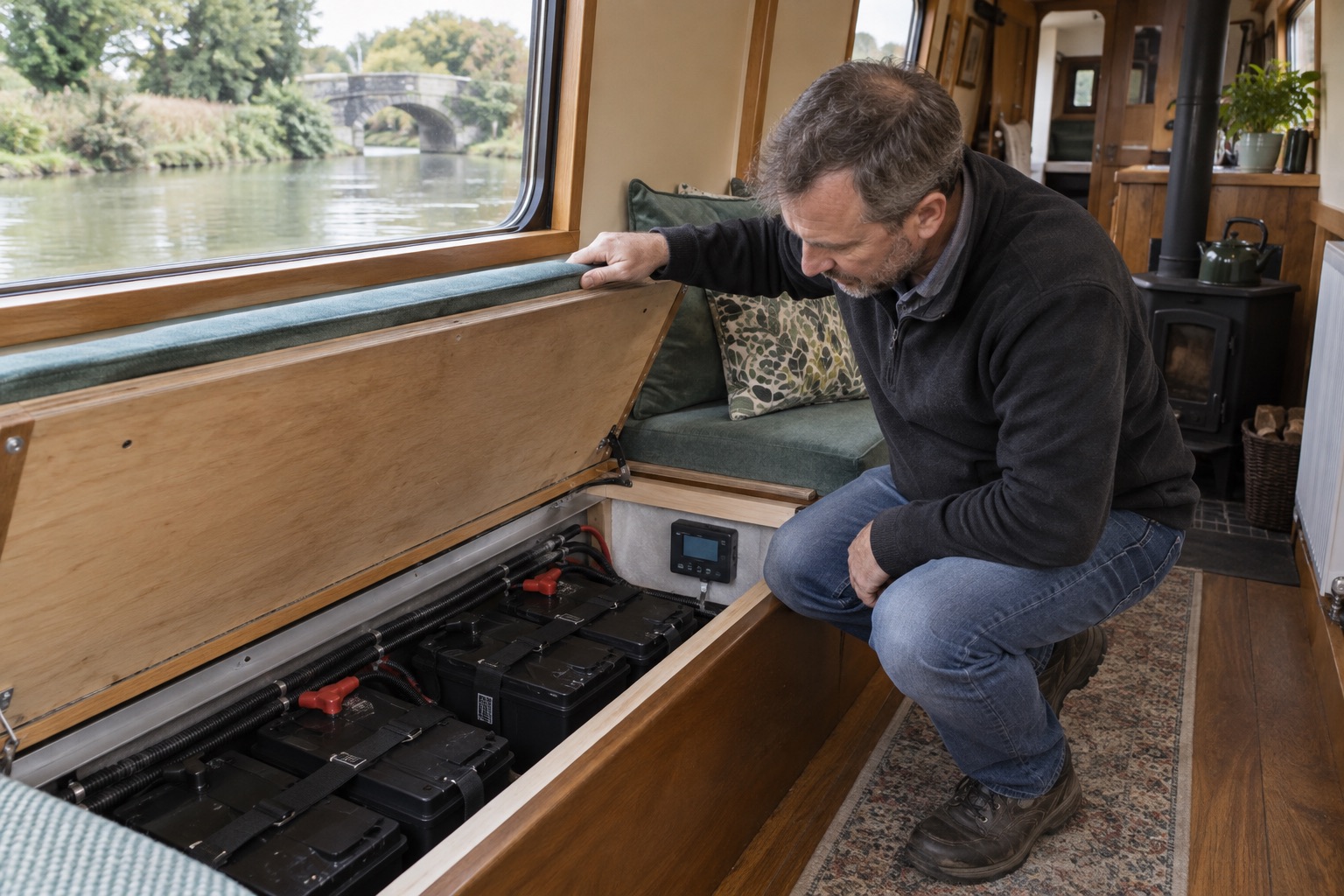 Maintenance
Boat batteries: understanding the basics
A battery bank is only useful if you know what it powers and how it is charged.
Read guide ↗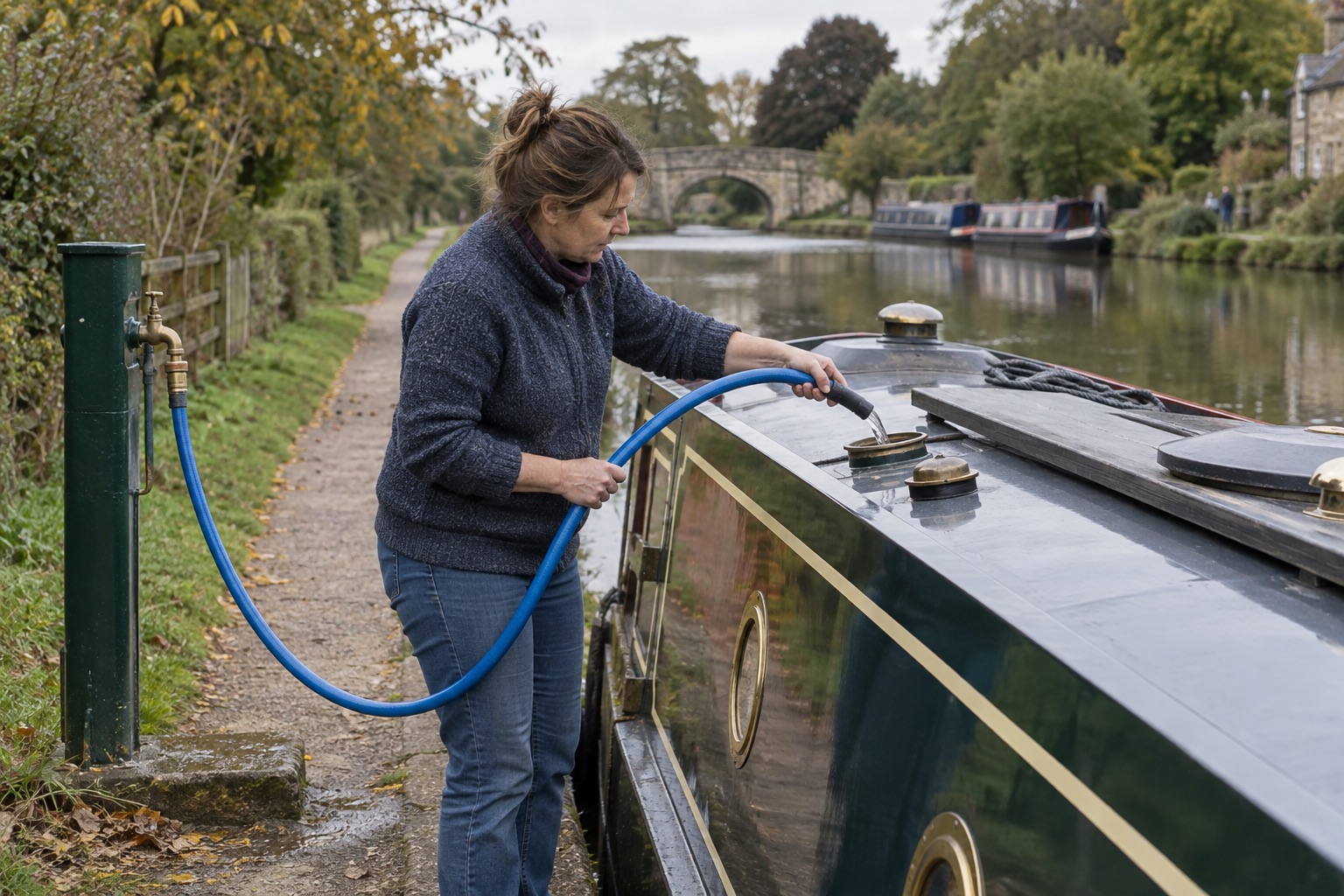 Maintenance
Looking after a boat's fresh water system
Clean water depends on the tank, hose and plumbing as much as the tap.
Read guide ↗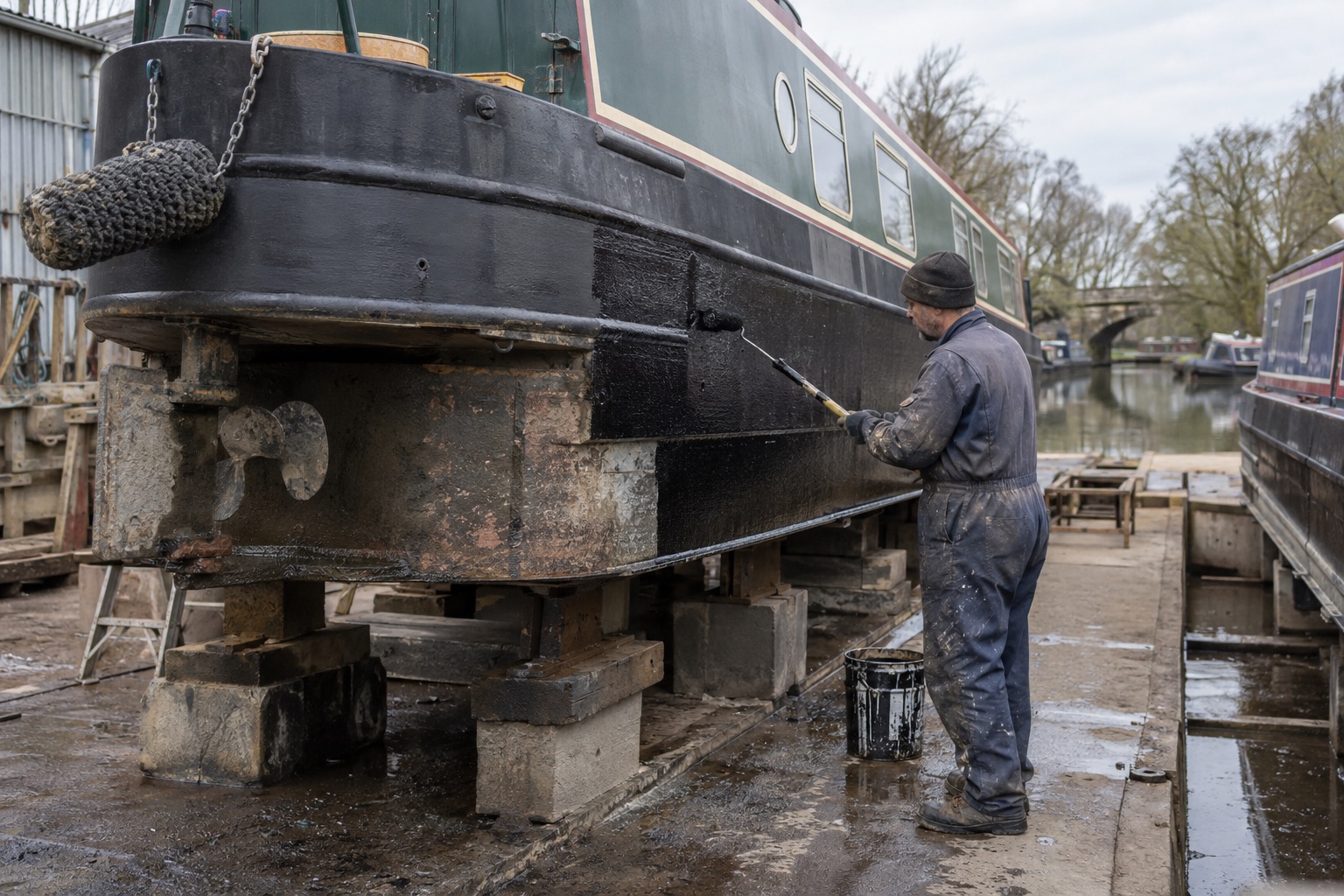 Maintenance
Hull blacking: what a boat owner should ask
A coating job is easiest to assess when its preparation and timing are clear.
Read guide ↗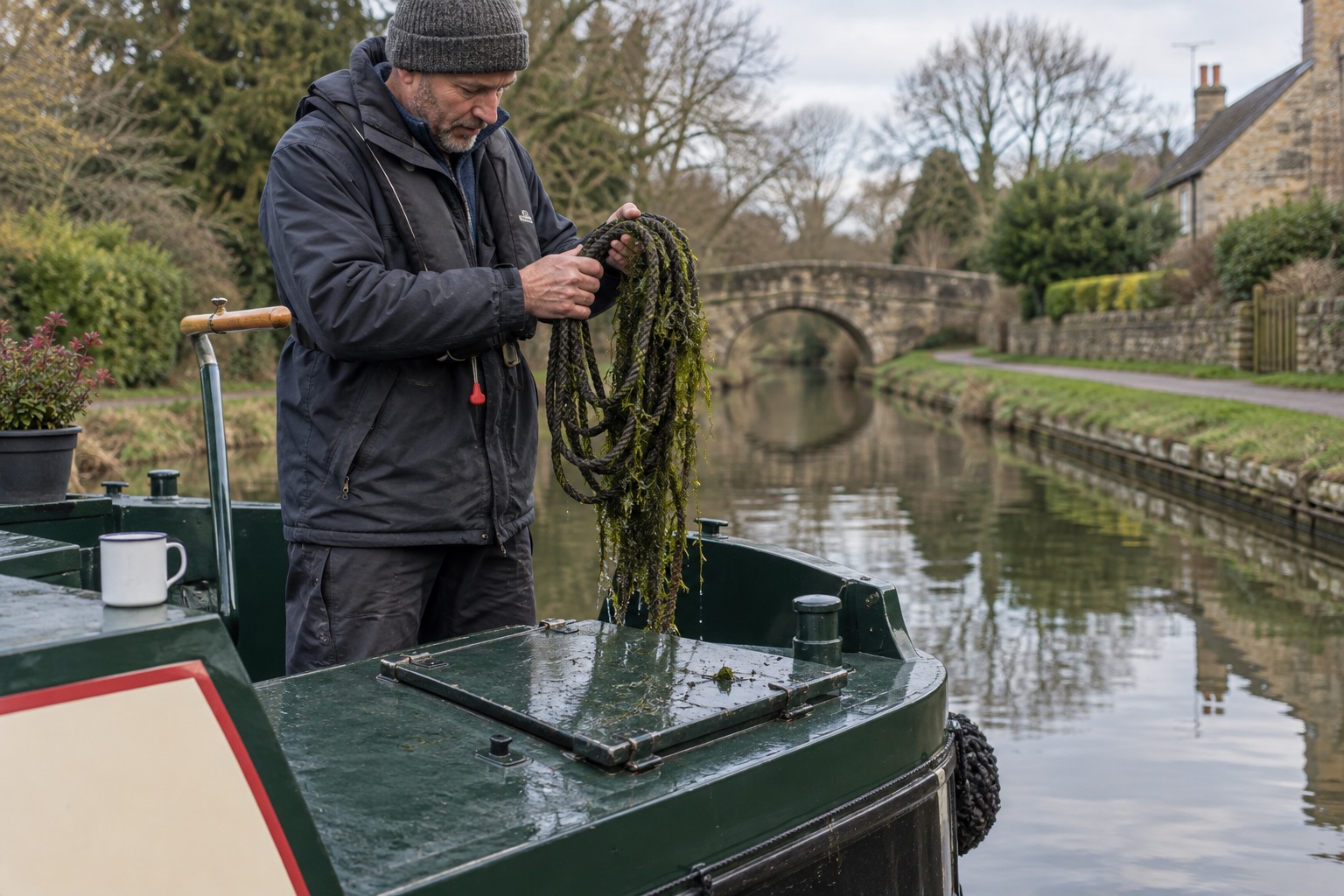 Maintenance
What to do if a narrowboat propeller is fouled
A rope or bag around the prop can turn a small snag into a serious problem.
Read guide ↗Safety and emergencies
 Safety and emergencies
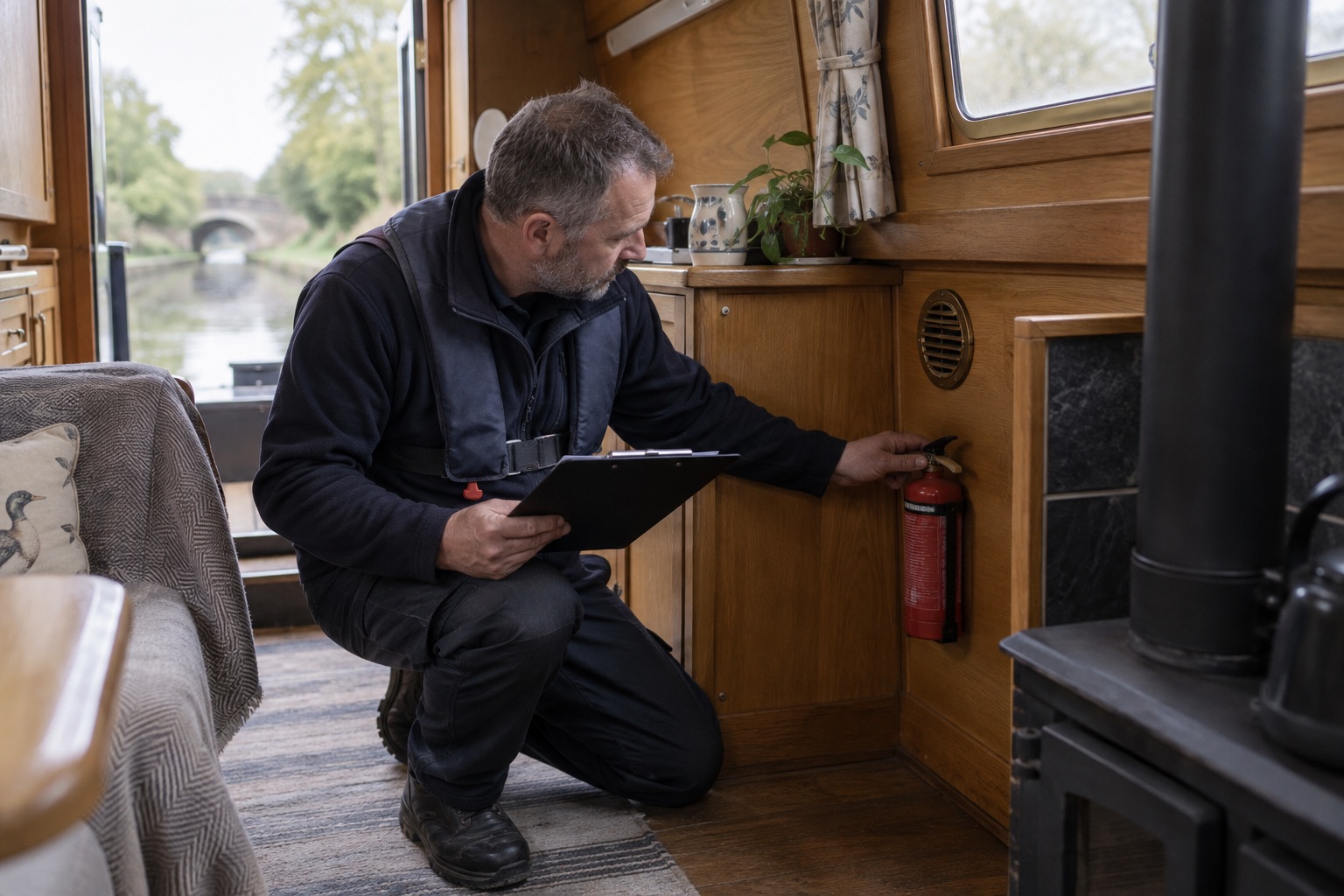
Boat Safety Scheme certificates explained
The examination is a periodic check, not a replacement for maintenance.
Read guide ↗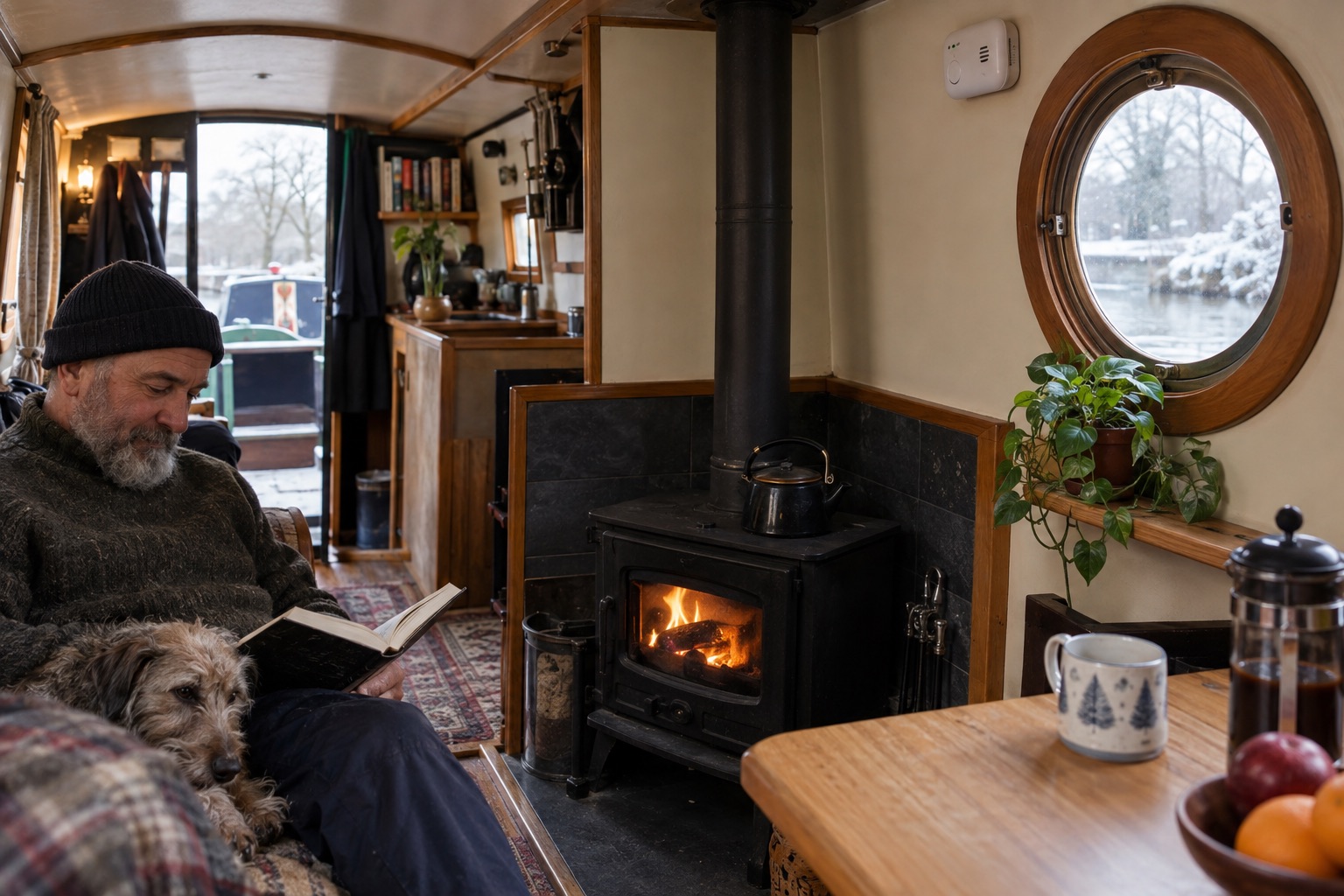 Safety and emergencies
Carbon monoxide on boats: a practical safety guide
Carbon monoxide is invisible, so prevention and working alarms matter.
Read guide ↗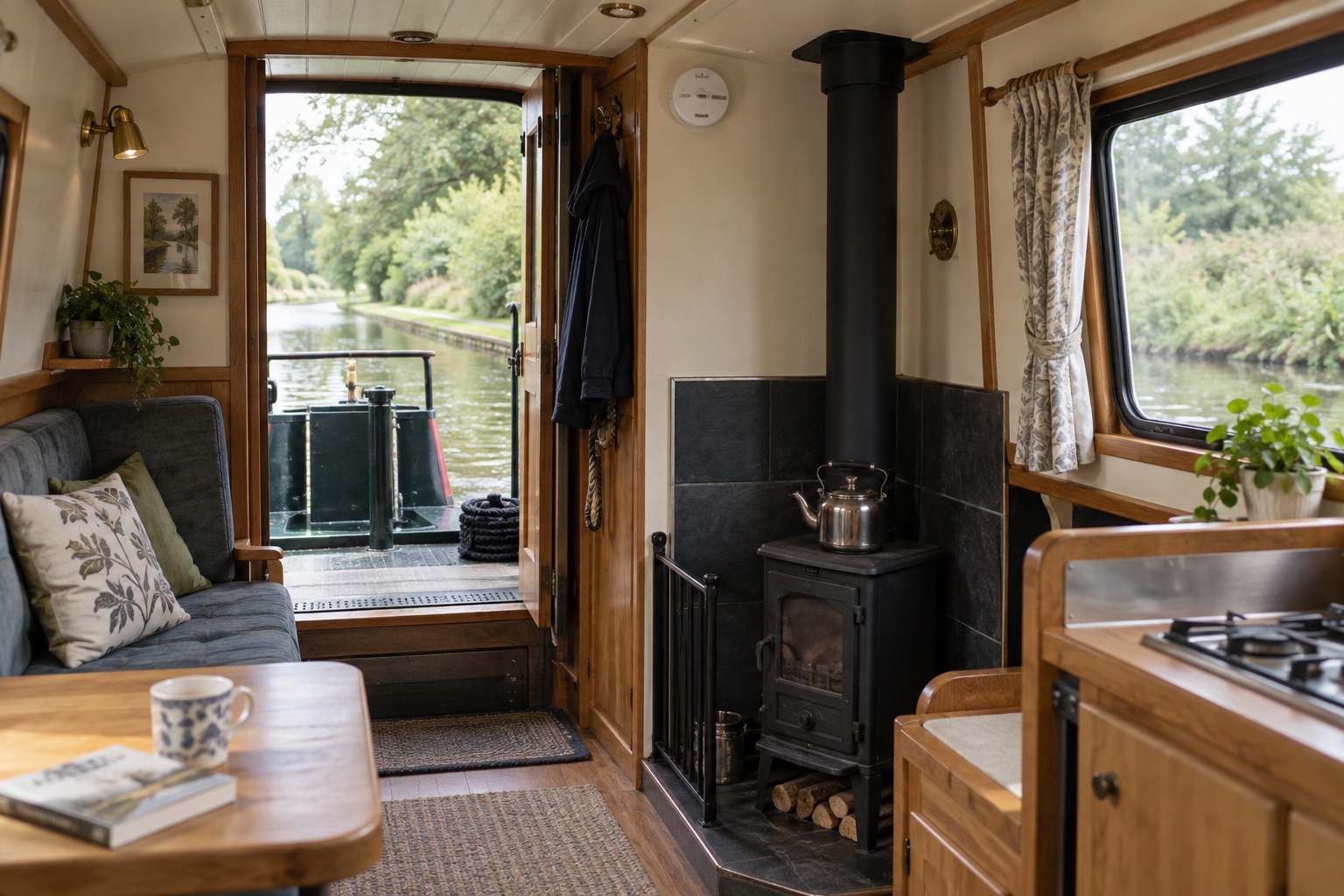 Safety and emergencies
Fire safety aboard a canal boat
In a small cabin, a clear exit and an early warning make all the difference.
Read guide ↗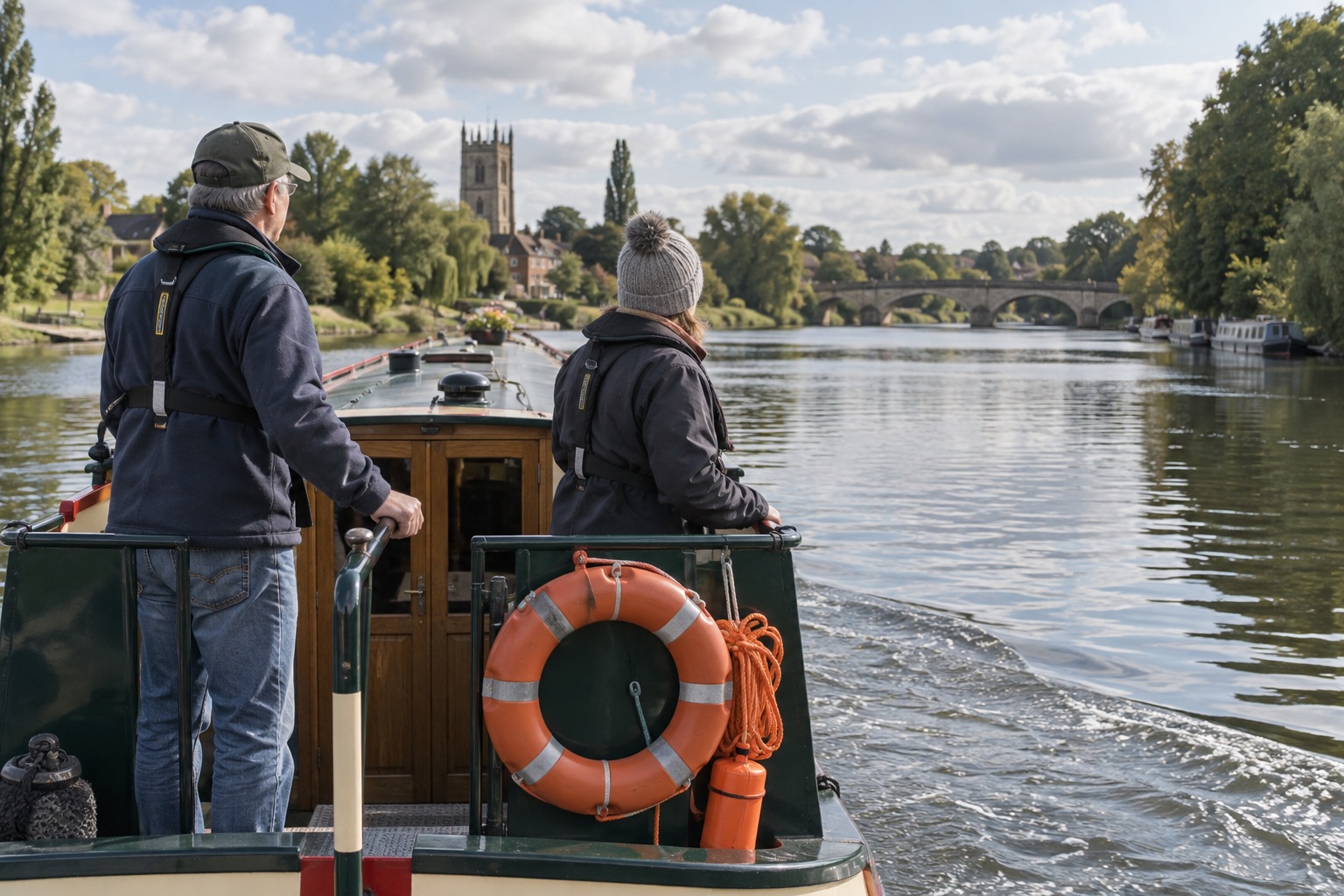 Safety and emergencies
If someone falls into a canal or river
The first task is keeping the person in sight and the boat under control.
Read guide ↗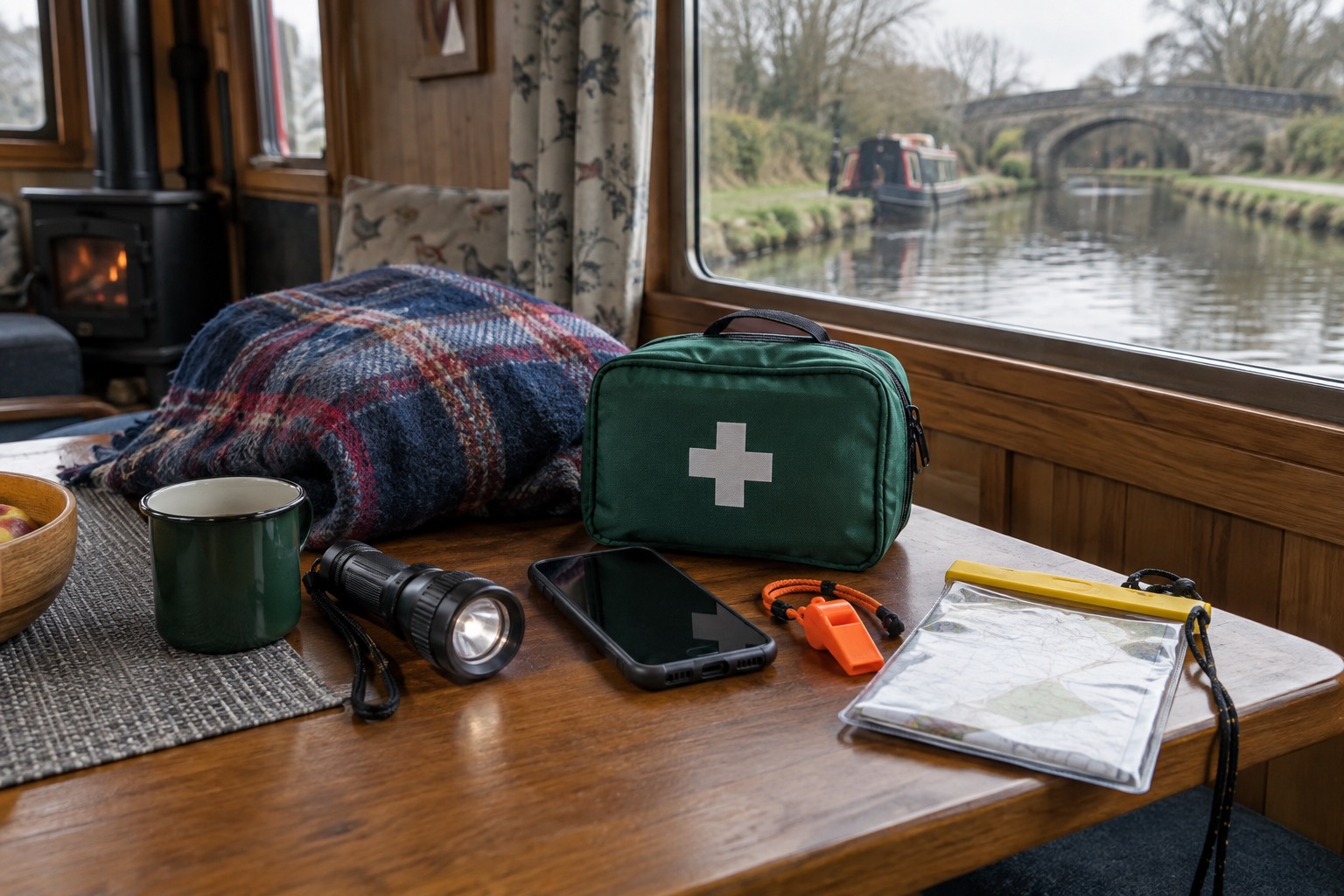 Safety and emergencies
What to keep in a canal boat emergency kit
The useful kit is the one you can reach when the lights go out.
Read guide ↗Heading somewhere?
Use the map to look around your route, then check current notices with the navigation authority.
Open the map ↗